
In the global tourism, hospitality, and eco-resort industry, wooden cabins have become a preferred building solution due to their natural aesthetics, fast construction cycle, and strong adaptability to different environments. However, the success of a wooden cabin project does not depend only on design and construction—it also relies heavily on proper maintenance over time.
This article explores the full lifecycle of wooden cabins, covering design, construction, and maintenance, and explains how to maximize both durability and investment value.
1. Wooden Cabin Design: Balancing Function, Aesthetics, and Environment
The design stage is the foundation of any successful wooden cabin project. A well-planned design ensures not only visual appeal but also long-term structural performance.
Key design considerations include:
Site adaptability: mountain, lakeside, forest, or coastal environments
Structural form: A-frame, modular, single-level, or multi-unit cabins
Space functionality: living, rental, leisure, or commercial use
Ventilation and insulation: ensuring comfort in different climates
Tourism experience design: integrating natural scenery and user flow
Modern wooden cabin design increasingly focuses on eco-friendly concepts and immersive experiences, especially in resort and glamping developments.
2. Wooden Cabin Construction: From Factory to On-Site Assembly
Construction is where design becomes reality. High-quality wooden cabin construction typically combines prefabrication and on-site installation.
Main construction methods:
1. Prefabricated modular construction
Components manufactured in factory
Fast on-site assembly
High precision and consistency
2. Traditional timber construction
More handcrafted and flexible
Higher customization potential
Longer construction time
3. Hybrid systems (steel + wood)
Improved structural strength
Better resistance to wind and moisture
Suitable for complex terrains
Key construction factors:
Structural safety and engineering standards
Moisture-proof and anti-corrosion treatment
Material quality control
Efficient installation process
Compliance with local building regulations
A well-executed construction process ensures that the cabin can withstand long-term environmental stress.
3. Wooden Cabin Maintenance: Ensuring Long-Term Durability
Maintenance is often overlooked, but it is essential for extending the lifespan of wooden structures.
Regular maintenance practices include:
1. Surface protection
Repainting or recoating every few years
UV-resistant and waterproof treatments
Checking for cracks or surface wear
2. Moisture control
Ensuring proper drainage around the structure
Preventing water accumulation at the base
Using ventilation systems to reduce humidity
3. Structural inspection
Checking joints, beams, and connectors
Reinforcing weak or aging components
Monitoring for insect or fungal damage
4. Roof and foundation care
Cleaning gutters and drainage systems
Inspecting roof waterproof layers
Ensuring foundation stability
Proper maintenance can significantly extend the lifespan of a wooden cabin, often exceeding 20–30 years with correct care.
4. Why Integrated Design–Build–Maintenance Systems Matter
A successful wooden cabin project should not treat design, construction, and maintenance as separate stages. Instead, an integrated system offers:
Better cost control across the lifecycle
Higher structural reliability
Reduced long-term repair expenses
Improved guest experience in hospitality projects
Stronger return on investment for investors
This is especially important in tourism resorts, glamping sites, and eco-lodges, where operational stability directly impacts revenue.
5. Common Mistakes to Avoid
Many projects fail due to avoidable errors:
Focusing only on design without considering maintenance
Choosing low-cost materials with poor durability
Ignoring climate conditions during construction
Lack of long-term maintenance planning
No professional inspection system in place
Avoiding these mistakes is key to building a sustainable wooden cabin project.
Conclusion: The Full Lifecycle Determines Real Value
Wooden cabins are more than just buildings—they are long-term investment assets. True success comes from a complete system that integrates:
Thoughtful design + precise construction + continuous maintenance
When these three elements work together, wooden cabin projects can deliver not only aesthetic beauty but also stable long-term commercial value in the global tourism and hospitality market.
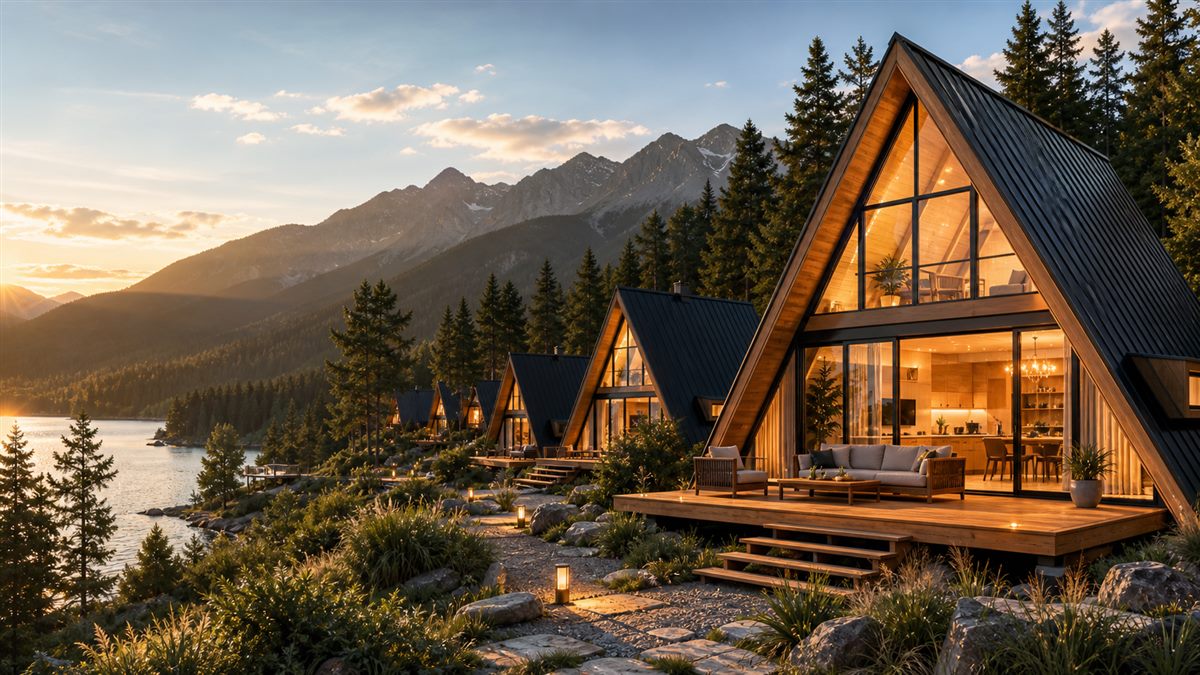
Prefab modular home visual reference
 Scan WeChat for quick project support