
Wood houses have long been admired for their natural beauty, durability, and environmental advantages. As the demand for sustainable and aesthetically pleasing buildings continues to grow, wood house construction and renovation have become increasingly popular in residential, commercial, tourism, and hospitality sectors. Whether building a new timber home from the ground up or upgrading an existing wooden structure, professional construction and renovation services can significantly improve functionality, comfort, and property value.
Today, modern wood houses combine traditional craftsmanship with advanced engineering technologies, creating structures that are energy-efficient, durable, and visually appealing. From luxury vacation villas and eco-lodges to modular cabins and glamping accommodations, wood construction offers endless possibilities for innovative architectural design.
The Growing Popularity of Wood House Construction
In recent years, wood house construction has experienced significant growth worldwide. Developers, homeowners, and investors are increasingly choosing timber structures because of their sustainability and versatility.
Unlike conventional concrete or steel buildings, wood houses provide a warm and inviting atmosphere. Natural wood textures create comfortable living environments while blending harmoniously with surrounding landscapes. This makes timber buildings particularly suitable for resorts, campsites, mountain retreats, rural developments, and eco-tourism destinations.
Modern construction methods have also made wood houses more practical and cost-effective. Prefabricated and modular building technologies allow components to be manufactured in factories and assembled quickly on-site, reducing labor costs and shortening project timelines.
Benefits of Wood House Construction
Sustainable and Eco-Friendly
Wood is one of the most environmentally responsible construction materials available. Trees absorb carbon dioxide during growth, making timber a renewable resource when sourced from sustainably managed forests.
Compared to steel and concrete production, timber manufacturing consumes less energy and produces lower carbon emissions. As environmental awareness increases globally, sustainable wood construction continues to gain favor among developers and governments.
Faster Construction Process
Traditional building projects can take months or even years to complete. Modern wood house systems significantly reduce construction time through prefabrication and modular assembly.
Wall panels, roof components, floor systems, and structural elements are manufactured under controlled factory conditions before being transported to the project site. This approach minimizes weather-related delays and improves construction efficiency.
Excellent Thermal Performance
Wood naturally possesses strong insulation properties. Combined with modern insulation materials and advanced wall systems, timber houses can achieve excellent energy efficiency.
Properly designed wood houses remain warm during winter and cool during summer, reducing heating and cooling costs while enhancing indoor comfort.
Design Flexibility
Wood can be adapted to various architectural styles and project requirements. Popular designs include:
Luxury timber villas
A-frame cabins
Modular holiday homes
Tiny houses
Resort cottages
Commercial timber buildings
Glamping accommodation units
This flexibility allows architects and developers to create unique buildings that meet both functional and aesthetic goals.
Key Factors in Successful Wood House Construction
Professional Design Planning
Every successful project begins with detailed planning. Architects and engineers must evaluate land conditions, climate factors, local regulations, and customer requirements before construction begins.
Customized design solutions ensure that the building meets structural, environmental, and operational needs.
Material Selection
The quality of materials directly affects the lifespan and performance of a wood house. Common construction materials include:
Pine timber
Spruce timber
Cedar wood
Douglas Fir
Engineered wood products
Structural laminated timber
Pressure-treated and preservative-treated timber helps improve resistance to insects, moisture, and decay.
Structural Engineering
Modern timber buildings must meet strict engineering standards. Proper structural calculations ensure stability under wind loads, snow loads, seismic activity, and other environmental conditions.
Advanced engineering also allows larger spans and more innovative architectural designs than traditional timber construction methods.
Waterproofing and Weather Protection
Waterproofing is one of the most critical aspects of wood construction. High-quality roofing systems, moisture barriers, flashing details, and drainage systems help protect timber structures from long-term damage.
Proper weatherproofing extends the service life of the building and reduces maintenance requirements.
Why Wood House Renovation Matters
While timber structures are highly durable, renovation becomes necessary as buildings age or usage requirements change. Renovation projects help preserve structural integrity while improving appearance and functionality.
For many property owners, renovation is more economical than complete reconstruction.
Exterior Renovation
Exterior improvements are among the most common renovation projects. These may include:
Repainting and staining
Replacing exterior cladding
Roof upgrades
Deck restoration
Window replacement
Door modernization
These improvements protect the building from weather exposure while enhancing curb appeal.
Interior Remodeling
Interior renovation helps adapt older wood houses to modern lifestyles. Popular remodeling projects include:
Open-plan living areas
Kitchen upgrades
Bathroom modernization
Flooring replacement
Lighting improvements
Smart home integration
Modern interior designs can dramatically improve comfort, convenience, and property value.
Energy-Efficiency Upgrades
Many older timber buildings were constructed before current energy standards were introduced. Renovation provides an opportunity to improve insulation, install energy-efficient windows, and upgrade heating and cooling systems.
These improvements reduce energy consumption and operating costs while increasing occupant comfort.
Structural Reinforcement
Over time, certain structural components may require strengthening. Professional renovation teams can inspect and reinforce foundations, walls, roof systems, and load-bearing structures to ensure safety and compliance with modern building standards.
Renovating Wood Houses for Tourism and Hospitality Projects
Wood house renovation is particularly valuable for tourism-related properties. Resorts, eco-parks, campsites, and glamping destinations often renovate existing cabins to attract new customers and improve profitability.
Popular tourism renovation upgrades include:
Luxury interior finishes
Smart room technology
Panoramic glass walls
Outdoor terraces
Premium furniture packages
Enhanced insulation systems
Modern lighting solutions
These upgrades help operators create memorable guest experiences while increasing occupancy rates and revenue.
Choosing the Right Construction and Renovation Partner
The success of any wood house project depends largely on selecting an experienced contractor. A professional construction partner should provide comprehensive services including:
Architectural design
Structural engineering
Material procurement
Factory manufacturing
Quality inspection
Installation support
Project management
After-sales maintenance
Companies with expertise in modular and prefabricated timber structures can often deliver projects faster while maintaining higher quality standards.
Future Trends in Wood House Construction and Renovation
The future of timber construction looks extremely promising. Emerging trends include:
Modular construction systems
Smart home integration
Sustainable building materials
Energy-efficient designs
Luxury glamping accommodations
Eco-resort developments
Off-grid living solutions
Carbon-neutral building technologies
As environmental regulations become stricter and consumer preferences shift toward sustainable living, wood houses will continue to play an increasingly important role in the global construction industry.
Conclusion
Wood house construction and renovation offer an ideal combination of sustainability, efficiency, beauty, and long-term value. Whether building a new timber home, upgrading an aging cabin, or modernizing a hospitality property, professional construction and renovation services can significantly improve performance, comfort, and investment returns.
By combining high-quality materials, innovative design, and expert craftsmanship, modern wood houses can provide durable and attractive living spaces that meet the demands of today’s homeowners, developers, and tourism operators while contributing to a greener future.
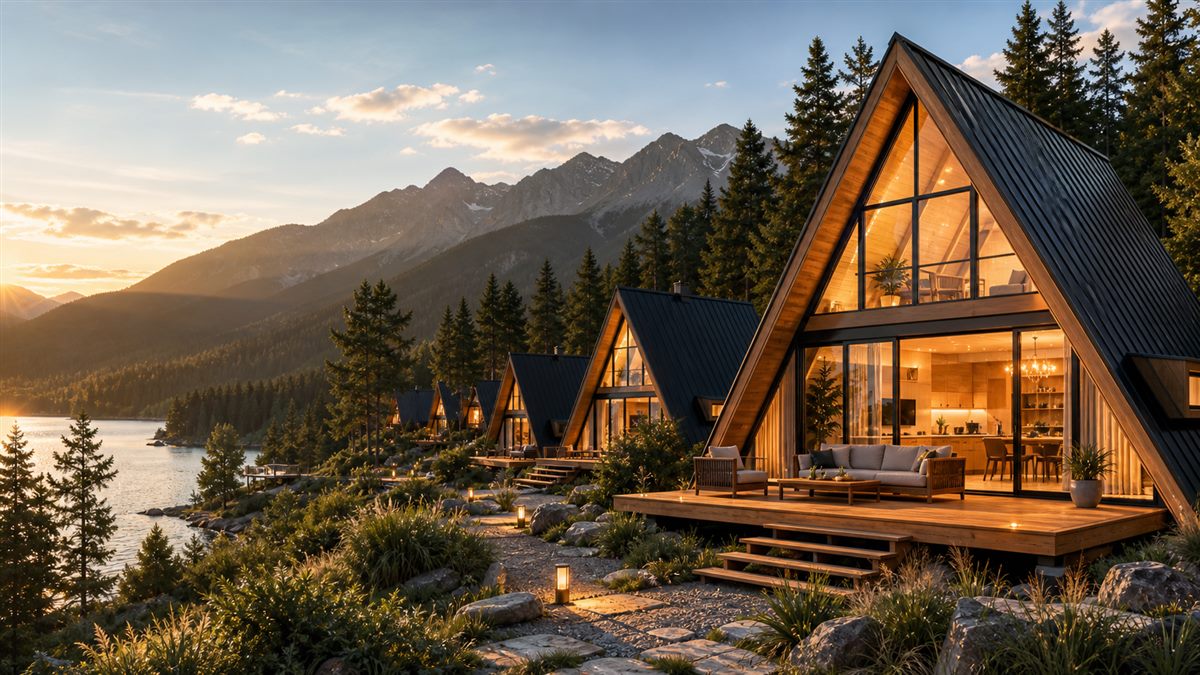
Prefab modular home visual reference
 Scan WeChat for quick project support