
AS the global construction industry continues to evolve, prefabricated housing systems have become one of the fastest-growing solutions for residential, commercial, hospitality, and tourism projects. Compared with traditional construction methods, prefabricated homes offer faster installation, lower labor costs, better quality control, and greater sustainability.
However, many investors, developers, and project owners ask the same question:
Which prefabricated housing system is the best?
The answer depends on your project goals, budget, location, and operational requirements. In this guide, we’ll explore the key factors that determine the best prefabricated housing system and how to choose the right supplier for your project.
Why Prefabricated Housing Is Becoming More PopularThe demand for prefabricated housing has increased significantly in recent years. Rising labor costs, construction delays, and environmental concerns have encouraged developers to seek more efficient building solutions.
Modern prefabricated housing systems provide several advantages:
Faster project completion
Reduced construction waste
Better cost control
Consistent manufacturing quality
Flexible design options
Sustainable building materials
These benefits make prefab homes an ideal solution for resorts, glamping sites, residential communities, workforce housing, eco-tourism projects, and commercial developments.
Types of Prefabricated Housing Systems
Before selecting the best system, it is important to understand the available options.
Modular Housing Systems
Modular homes are built in factory-controlled environments and transported to the project site as complete modules.
Advantages include:
Rapid installation
High construction quality
Reduced on-site labor
Flexible floor plans
Modular housing is widely used in hotels, vacation villas, apartments, and commercial projects.
Panelized Housing Systems
Panelized systems consist of wall panels, roof panels, and floor components manufactured off-site and assembled on location.
Benefits include:
Easier transportation
Customizable layouts
Lower shipping costs
Adaptability to various site conditions
Timber Prefabricated Housing Systems
Timber-based prefab homes are increasingly popular in eco-resorts, glamping destinations, and luxury vacation communities.
Advantages include:
Natural appearance
Excellent insulation
Environmentally friendly materials
Comfortable living environment
Steel Structure Prefabricated Housing SystemsSteel-framed prefab buildings provide excellent durability and structural strength.
These systems are suitable for:
Commercial buildings
Workforce accommodations
Educational facilities
Industrial applications
Key Factors When Choosing the Best Prefabricated Housing SystemProject PurposeThe best housing system depends largely on your project’s intended use.
For example:
Resorts may require luxury modular villas.
Glamping sites often prefer A-frame cabins or timber lodges.
Workforce housing may benefit from modular steel structures.
Residential communities may require scalable housing solutions.
Choosing a system aligned with your business model ensures better long-term performance.
Climate Adaptability
Different regions have different environmental requirements.
For example:
Cold climates need enhanced insulation.
Coastal areas require corrosion-resistant materials.
Tropical regions need moisture-resistant systems.
Snow-prone areas require stronger roof structures.
A reliable supplier should customize the housing system according to local climate conditions.
Construction Speed
One of the main reasons developers choose prefab housing is speed.
The best suppliers offer:
Factory-based manufacturing
Standardized production
Efficient logistics
Quick installation support
This significantly reduces project timelines and accelerates revenue generation.
Design Flexibility
Modern buyers increasingly seek unique architectural designs.
Top manufacturers provide customizable options such as:
Luxury resort villas
A-frame cabins
Modular wooden houses
Glamping lodges
Reception centers
Commercial kiosks
Flexible design capabilities allow projects to stand out in competitive markets.
Quality Standards
The best prefabricated housing systems are built using strict quality control procedures.
Look for manufacturers that offer:
Engineered structural calculations
Certified materials
Professional manufacturing processes
International quality standards
Quality should always take priority over the lowest price.
Why Choosing the Right Manufacturer Matters
A high-quality prefabricated housing system is only as good as the company behind it.
An experienced manufacturer provides:
Professional design support
Engineering services
Production management
Installation guidance
After-sales support
Rather than simply selling a building, the best suppliers deliver complete project solutions.
This is especially important for tourism, hospitality, and resort investors who need fast market entry and reliable long-term performance.
Future Trends in Prefabricated Housing
The future of prefabricated construction is moving toward:
Smart modular buildings
Sustainable materials
Energy-efficient designs
Off-grid housing solutions
Luxury glamping accommodations
Eco-tourism developments
As technology advances, prefabricated housing systems will become even more efficient, affordable, and customizable.
Conclusion
So, which prefabricated housing system is the best?
The answer depends on your project’s location, budget, target market, and operational goals. For most tourism, hospitality, and residential developments, a well-designed modular or timber prefabricated housing system provides the ideal balance of speed, quality, sustainability, and return on investment.
When selecting a supplier, focus on experience, manufacturing capability, customization options, and long-term support rather than price alone. The right prefabricated housing partner can help transform your vision into a profitable and successful project while reducing construction risks and accelerating your path to market.
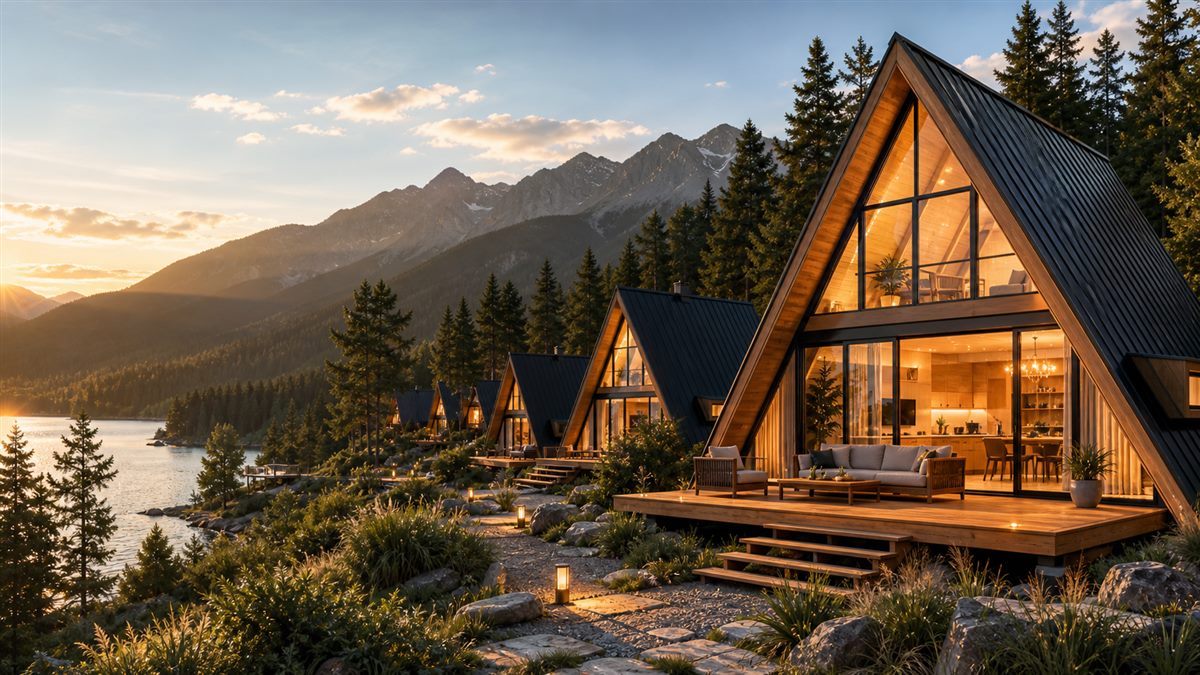
Prefab modular home visual reference
 Scan WeChat for quick project support