
As the global demand for sustainable construction and modular living continues to grow, prefabricated houses are becoming one of the fastest-growing segments in the building industry. From glamping resorts and eco-tourism projects to modular villas and commercial spaces, more investors are now searching for reliable suppliers that can provide both quality products and reasonable pricing.
However, when buyers compare suppliers, they often notice huge differences in quotations. Some companies offer very low prices, while others provide premium solutions at significantly higher costs. This leads many customers to ask the same question: Which company offers reasonable prices for prefabricated houses?
The truth is that a reasonable quotation is not simply the cheapest option. A professional prefabricated house supplier should provide balanced pricing based on quality, structural safety, customization capability, installation support, and long-term project value.
Why Prefabricated Houses Are Becoming More PopularTraditional construction projects often face problems such as:
Long construction periods
High labor costs
Complicated on-site work
Environmental pollution
Difficult project management
Prefabricated houses solve many of these issues through factory-based production and modular installation systems.
Most structural components are manufactured in advance, then transported to the project site for fast assembly. This method significantly improves efficiency while reducing construction waste and labor dependency.
Today, prefabricated houses are widely used in:
Eco-resorts
Glamping camps
Boutique hotels
Tourism destinations
Mountain cabins
Beach resorts
Commercial display spaces
Modular offices
As global tourism and outdoor lifestyle markets continue growing, the demand for modular buildings is also increasing rapidly.
Why Prefabricated House Prices Vary So Much
Many customers are surprised when they receive quotations from different suppliers because the price gap can be extremely large. Several important factors influence the final cost.
1. Material Quality
Not all prefabricated houses use the same materials.
The final quotation may depend on:
Steel structure thickness
Wood material quality
Insulation systems
Waterproof systems
Window and door specifications
Exterior finishing materials
Some low-cost suppliers reduce costs by using lower-grade materials, which may affect durability and safety.
2. Design Capability
Professional suppliers usually provide customized architectural solutions, including:
Exterior design
Interior layout planning
Structural optimization
Landscape integration
Smart home systems
Meanwhile, low-price suppliers may only offer basic standard units without customization.
A better design not only improves appearance but also increases commercial value for tourism and hospitality projects.
3. Installation Services
Some quotations only include the building structure itself and exclude:
Transportation
Installation
Electrical systems
Plumbing systems
Technical support
After-sales service
Therefore, customers should always confirm what is included in the quotation.
Professional suppliers often provide complete turnkey solutions, which can save clients significant time and management costs.
4. Project Requirements
Different projects require different standards.
For example:
Luxury glamping resorts
Tourism cabins
Private modular villas
Commercial spaces
Eco-lodges
all require different levels of materials, insulation, finishes, and customization.
This naturally affects pricing.
How to Judge Whether a Prefabricated House Quote Is ReasonableFocus on Value, Not Just Price
The cheapest supplier is not always the best choice.
A truly reasonable quotation should balance:
Structural safety
Product durability
Energy efficiency
Design quality
Installation efficiency
Long-term maintenance costs
High-quality prefabricated houses may cost slightly more initially, but they usually provide better long-term returns.
Check Whether the Supplier Has a Real FactoryReliable suppliers typically have:
Steel structure workshops
Wood processing facilities
Modular production lines
Anti-corrosion treatment systems
Professional engineering teams
A real factory ensures better quality control and production stability.
Evaluate Project Experience
Experienced suppliers usually understand:
Tourism market trends
Resort construction requirements
International shipping standards
Installation management
Local climate challenges
Suppliers with actual project experience can help customers avoid costly mistakes.
Look for One-Stop Solutions
Professional companies often provide:
Architectural design
Manufacturing
Transportation
Installation guidance
Technical support
After-sales service
This is especially important for overseas clients and tourism developers.
Popular Types of Prefabricated Houses
The prefabricated housing industry is becoming increasingly diversified.
Modular Wooden Houses
These are highly popular for:
Eco-resorts
Tourism projects
Glamping camps
Boutique hotels
because they create a natural and relaxing atmosphere.
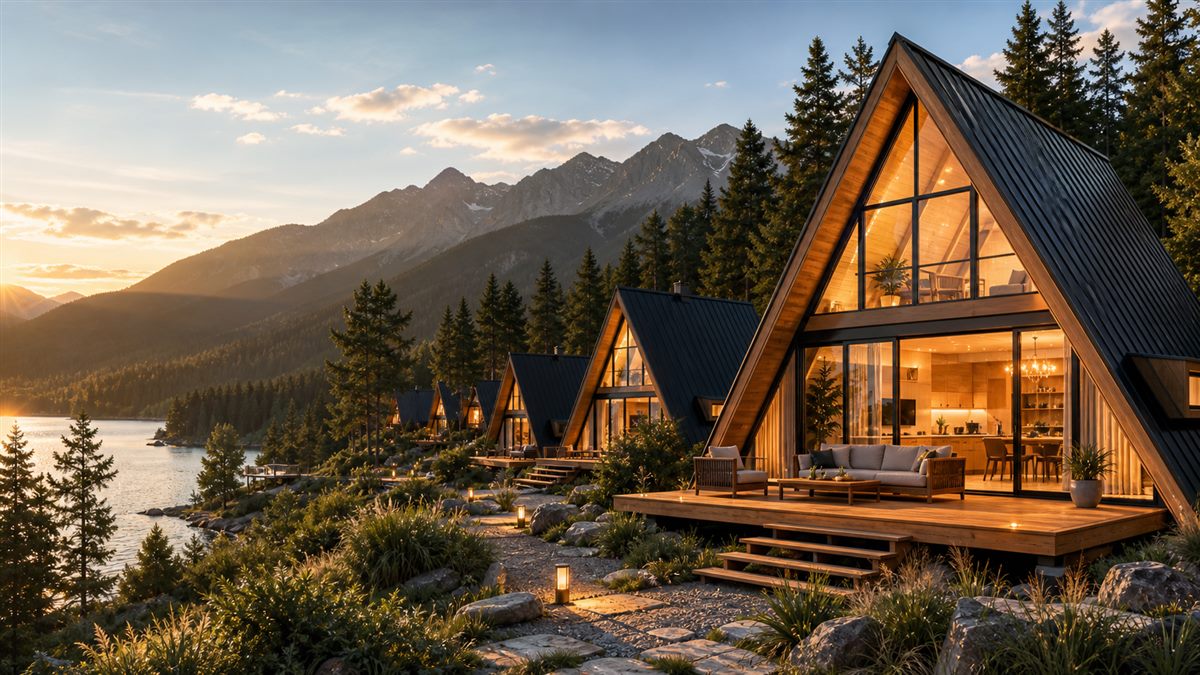
A-Frame Cabins
A-frame houses are currently trending worldwide because of their:
Unique appearance
Strong visual identity
Excellent social media appeal
They are especially attractive for younger travelers.
Modular Villas
Luxury modular villas are becoming more common in:
Private estates
High-end resorts
Vacation communities
They offer faster construction while maintaining premium aesthetics.
Portable Modular Units
Portable prefabricated buildings provide:
Flexible transportation
Fast installation
Relocation capability
making them ideal for commercial and temporary projects.
Why Overseas Buyers Prefer Chinese Prefabricated House SuppliersChina has become one of the world’s leading manufacturing centers for modular buildings.
Compared with many Western suppliers, Chinese manufacturers often provide:
More competitive pricing
Faster production speed
Strong customization capability
Mature export experience
Efficient supply chains
As a result, more international clients are sourcing prefabricated houses from China for projects in:
North America
Europe
Southeast Asia
Australia
The Middle East
Future Trends in Prefabricated Housing
The future of modular construction will focus more on:
Smart home integration
Sustainable materials
Fast assembly systems
Energy-efficient solutions
Luxury outdoor living experiences
At the same time, tourism developers are increasingly looking for immersive spaces that combine architecture with nature.
Prefabricated houses are perfectly positioned to meet these market demands.
Why Tourism Projects Rely More on Modular BuildingsModern travelers are no longer satisfied with traditional hotel experiences.
They now prefer:
Unique accommodations
Nature-inspired spaces
Instagram-worthy architecture
Personalized experiences
Prefabricated houses help tourism developers create visually attractive and highly marketable destinations.
A well-designed modular project can increase:
Visitor engagement
Social media exposure
Occupancy rates
Overall project profitability
Conclusion
When asking which company offers reasonable prices for prefabricated houses, buyers should not focus only on the lowest number. A truly reliable supplier provides the right balance between price, quality, customization, structural safety, and professional service.
Choosing an experienced prefabricated house manufacturer can help ensure faster project completion, better long-term performance, and stronger investment returns.
As the global modular construction industry continues growing, high-quality prefabricated housing solutions will play an increasingly important role in the future of tourism, hospitality, and sustainable living.
Prefab modular home visual reference
 Scan WeChat for quick project support