
1. Introduction: The Rise of Wellness-Oriented Prefabricated Construction
In recent years, the global demand for health-focused living environments has grown rapidly, driven by aging populations, increased health awareness, and the expansion of the wellness tourism industry. Within this context, the concept of a Prefabricated Wellness and Healthcare Base has emerged as an innovative solution that integrates modern construction technology with healthcare and lifestyle services.
By combining modular building systems with wellness-oriented planning, this new model is reshaping how healthcare communities, retirement villages, and wellness resorts are designed and built.
2. What Is a Prefabricated Wellness and Healthcare Base?
A Prefabricated Wellness and Healthcare Base refers to a large-scale health-oriented facility constructed using prefabricated building components. These components are manufactured in factories, transported to the site, and assembled efficiently to form fully functional wellness spaces.
Such bases typically include:
Elderly care residences
Rehabilitation and recovery centers
Medical wellness facilities
Nature-integrated wellness resorts
Recreational and therapeutic zones
This modular approach allows for flexible design, rapid construction, and scalable expansion.
3. Key Advantages of Prefabricated Wellness Bases
1. Faster Construction and Deployment
Compared to traditional construction methods, prefabricated systems significantly reduce on-site work. Projects can be completed in a shorter time frame, enabling operators to start services and generate revenue earlier.
2. Sustainable and Eco-Friendly Development
Prefabrication reduces construction waste, noise pollution, and energy consumption. Many wellness bases also integrate renewable energy systems such as solar panels, rainwater recycling, and energy-efficient insulation.
3. High Structural Quality and Safety
Since most components are manufactured in controlled factory environments, quality consistency is greatly improved. This ensures higher safety standards and durability, which are essential for healthcare-related facilities.
4. Flexible and Scalable Design
Modules can be added, removed, or reconfigured based on operational needs. This flexibility is particularly valuable for expanding wellness resorts or adapting to different patient and guest requirements.
4. Application Scenarios of Wellness and Healthcare Bases
1. Senior Living Communities
Designed to support aging populations, these communities provide accessible housing, medical support, and social engagement spaces.
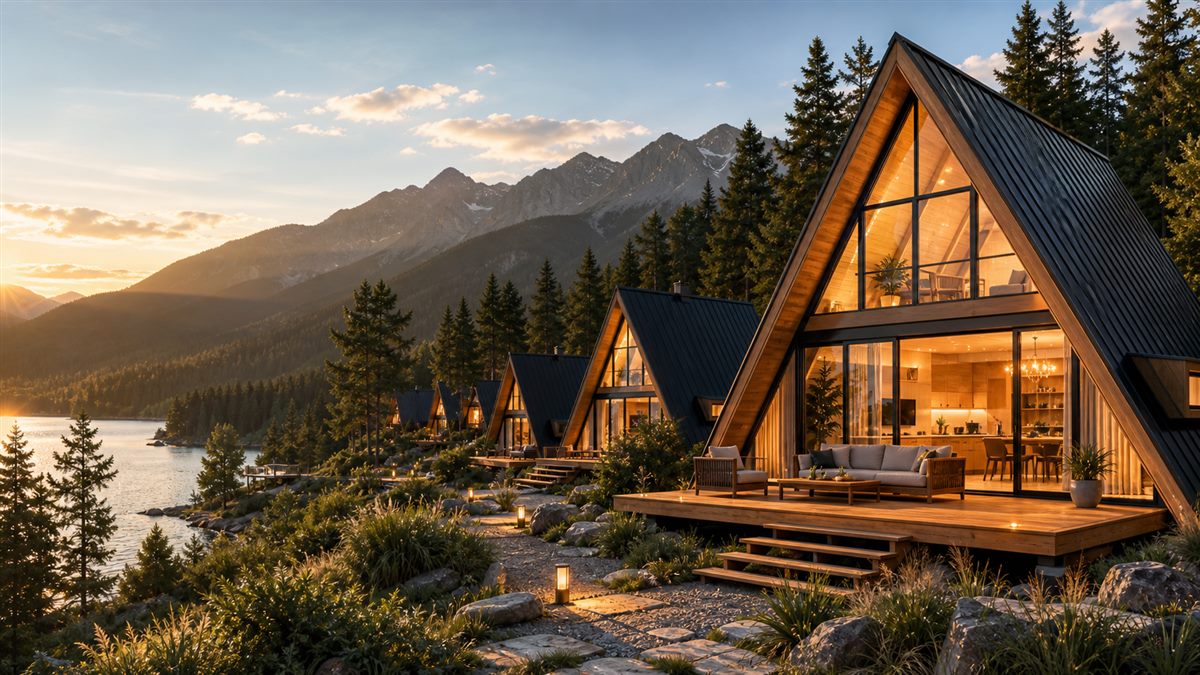
2. Forest and Eco Wellness Resorts
Built in natural environments, these resorts combine prefabricated wooden or light steel structures with ecological landscapes to promote physical and mental well-being.
3. Rehabilitation and Recovery Centers
Focused on post-surgery recovery or long-term care, these centers integrate medical services with comfortable living environments.
4. Rural Revitalization Wellness Projects
In rural tourism and development areas, prefabricated wellness bases help activate local economies while preserving natural and cultural resources.
5. How Prefabricated Construction Transforms the Wellness Industry
The wellness industry is no longer limited to healthcare services; it now emphasizes environment, experience, and lifestyle. Prefabricated construction enhances this transformation in several ways:
Standardized functional spaces ensure consistent care quality
Human-centered design improves accessibility and comfort
Efficient operations reduce maintenance and staffing costs
Eco-integrated architecture enhances harmony with nature
This synergy between construction technology and wellness services creates a more efficient and sustainable industry model.
6. Future Trends of Prefabricated Wellness Bases
1. Smart Healthcare Integration
The future will see deeper integration of IoT, AI health monitoring, and digital medical systems, enabling intelligent wellness management.
2. Customized Modular Solutions
Different user groups—elderly residents, rehabilitation patients, and wellness tourists—will benefit from tailored modular designs.
3. Wellness + Tourism Hybrid Development
These bases will evolve into multi-functional destinations combining healthcare, tourism, recreation, and cultural experiences.
4. Carbon-Neutral Construction Goals
Sustainability will become a core standard, with increased focus on low-carbon materials and energy-efficient operations.
7. Conclusion
The Prefabricated Wellness and Healthcare Base represents a transformative approach to modern healthcare infrastructure. By merging modular construction technology with wellness-oriented design, it delivers faster, greener, and more flexible solutions for the future of healthy living.
As global demand for wellness spaces continues to grow, this innovative model is set to play a crucial role in shaping next-generation healthcare, retirement, and eco-tourism developments.
Prefab modular home visual reference
 Scan WeChat for quick project support