
As sustainable construction continues to shape the future of architecture, prefabricated timber landscape structures have become an increasingly popular choice for parks, resorts, residential communities, commercial developments, and public spaces. Combining the natural beauty of wood with the efficiency of prefabricated construction, these structures provide environmentally friendly, durable, and aesthetically appealing landscape solutions.
Whether used for outdoor pavilions, pergolas, boardwalks, viewing platforms, gazebos, or recreational facilities, prefabricated timber landscape structures offer flexibility, fast installation, and long-term performance.
What Are Prefabricated Timber Landscape Structures?
Prefabricated timber landscape structures are wooden landscape components manufactured in a factory before being transported to the project site for assembly. Unlike traditional on-site construction, prefabrication allows structural elements to be precision-engineered under controlled conditions, improving quality while reducing construction time.
These structures can include:
Outdoor pavilions
Pergolas
Timber boardwalks
Viewing decks
Landscape bridges
Garden gazebos
Outdoor seating shelters
Visitor centers
Scenic platforms
Recreational facilities
Their modular design makes them suitable for projects of various sizes and complexities.
Advantages of Prefabricated Timber Landscape Structures
Fast Construction
Factory production significantly shortens on-site construction time. Since structural components are pre-manufactured, installation can often be completed within days instead of weeks.
High Construction Quality
Precision manufacturing ensures consistent dimensions, accurate connections, and improved structural stability. Factory quality control minimizes construction errors and material waste.
Environmentally Friendly
Wood is one of the world’s most sustainable building materials. Responsibly sourced timber stores carbon throughout its service life, making timber structures an excellent choice for green construction projects.
Flexible Design Options
Prefabricated timber landscape structures can be customized in various architectural styles, including:
Modern minimalist
Scandinavian
Japanese-inspired
Rustic natural
Contemporary resort
Traditional timber architecture
Design flexibility allows projects to blend seamlessly with surrounding landscapes.
Cost-Effective Installation
Reduced labor requirements and shorter construction schedules help lower overall project costs while minimizing disruption to surrounding environments.
Common Applications
Tourism Resorts
Luxury resorts frequently use timber pavilions, viewing platforms, and boardwalks to create relaxing outdoor experiences that harmonize with nature.
Campgrounds and Glamping Sites
Glamping destinations often incorporate prefabricated timber structures for reception areas, outdoor lounges, dining spaces, and recreational facilities.
Public Parks
Urban parks benefit from timber shelters, observation decks, rest areas, and educational facilities that enhance visitor comfort while maintaining ecological aesthetics.
Residential Communities
Developers use timber landscape structures to create attractive communal spaces such as pergolas, children’s activity areas, walking trails, and garden seating.
Commercial Projects
Shopping centers, outdoor cafés, and cultural attractions increasingly incorporate timber structures to create distinctive outdoor environments that attract visitors.
Materials Used in Timber Landscape Structures
Material selection plays a critical role in durability and appearance.
Common materials include:
Glulam (Glue-Laminated Timber)
Solid wood
Pressure-treated timber
Thermally modified wood
Cedar
Douglas fir
Pine
Engineered wood products
Depending on the project’s climate and design requirements, protective treatments may be applied to improve weather resistance and longevity.
Design Considerations
Professional landscape structure design focuses on several important factors:
Structural Safety
Engineers calculate wind loads, live loads, and foundation requirements to ensure long-term structural stability.
Weather Resistance
Proper waterproofing, drainage, and protective coatings help timber structures withstand rain, humidity, sunlight, and seasonal weather changes.
Functional Planning
The intended use of each structure influences its size, layout, accessibility, and supporting facilities.
Landscape Integration
Timber structures should complement surrounding vegetation, water features, pathways, and architectural elements to create a harmonious outdoor environment.
Installation Process
The installation of prefabricated timber landscape structures generally includes the following steps:
Site survey and project planning
Structural design and engineering
Factory fabrication
Transportation of components
Foundation preparation
On-site assembly
Roofing and finishing work
Final inspection and project handover
Because most components are manufactured in advance, on-site construction is efficient and produces minimal environmental disturbance.
Maintenance Tips
Routine maintenance helps maximize the lifespan of timber landscape structures.
Recommended practices include:
Inspect structural connections annually.
Clean surfaces to remove dirt and organic debris.
Reapply protective coatings when needed.
Check drainage systems regularly.
Repair minor damage promptly.
Inspect for insect activity in applicable regions.
With proper maintenance, high-quality timber structures can provide decades of reliable service.
Future Trends
The demand for prefabricated timber landscape structures continues to grow worldwide as sustainable construction becomes increasingly important.
Emerging trends include:
Smart outdoor facilities with integrated lighting and energy systems
Modular expansion for future project flexibility
Carbon-neutral construction practices
Digital design using Building Information Modeling (BIM)
Increased use of engineered timber materials
Eco-friendly tourism infrastructure
These innovations are helping create more efficient, attractive, and environmentally responsible outdoor spaces.
Conclusion
Prefabricated timber landscape structures combine the warmth of natural wood with the efficiency of modern construction technology. Their flexibility, sustainability, fast installation, and architectural appeal make them an ideal solution for parks, resorts, residential developments, tourism destinations, and commercial landscapes.
As demand for eco-friendly outdoor environments continues to rise, prefabricated timber landscape structures will remain an important part of sustainable landscape architecture, offering long-lasting value while enhancing the beauty and functionality of modern outdoor spaces.
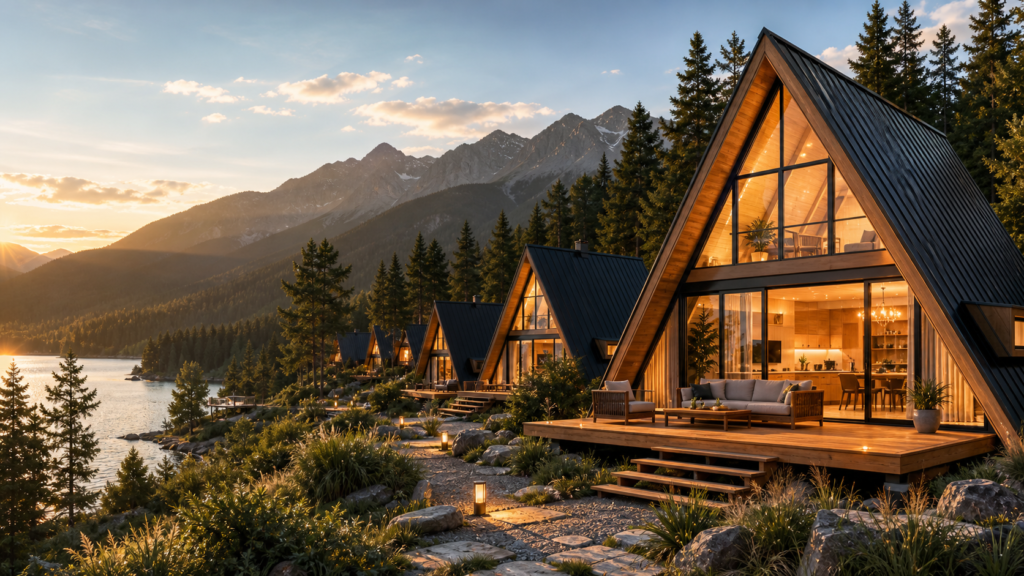
Prefab modular home visual reference
 Scan WeChat for quick project support