
As the demand for flexible, sustainable, and high-quality construction grows, prefabricated house renovation has emerged as a practical solution for homeowners, developers, and tourism operators. Rather than tearing down existing structures, renovating prefabricated houses allows for upgrading functionality, improving aesthetics, and extending building lifespan while controlling costs and minimizing environmental impact. For both residential projects and tourism developments such as resorts, glamping sites, and eco-retreats, renovation provides a smart pathway to modernized, efficient, and attractive spaces.
Why Prefabricated House Renovation Matters
Many prefabricated houses remain structurally sound but may no longer meet contemporary design standards or operational needs. Renovation provides an opportunity to enhance the building while avoiding the time and expense of new construction.
Key benefits include:
Cost Efficiency: Renovation typically requires less investment than building a new house from scratch.
Faster Implementation: Modular systems and prefabricated components allow for shorter construction timelines.
Sustainability: By reusing existing structures, renovation reduces construction waste and environmental impact.
Improved Functionality: Upgrades to layouts, utilities, and amenities enhance usability and comfort.
Market Competitiveness: Modernized structures attract higher occupancy rates in tourism projects and improve property value.
Typical Renovation Areas
Exterior Upgrades
The façade and exterior surfaces of prefabricated houses are often renovated to improve appearance, durability, and energy efficiency. Common upgrades include:
Replacement of cladding and siding with modern, durable materials
Roof replacement or reinforcement
Installation of energy-efficient windows and doors
Protective coatings to extend wood or metal durability
Exterior improvements not only enhance aesthetics but also protect the structure against weather and environmental stress.
Interior Remodeling
Modern living standards often require upgrades to interiors. Renovation may involve:
Flooring replacement or reinforcement
Bathroom and kitchen modernization
Improved lighting and HVAC systems
Open-concept layouts to maximize space
Integration of smart home features
These upgrades improve functionality and guest or resident comfort while aligning the property with contemporary design expectations.
Structural Expansion
One advantage of prefabricated houses is their modularity. Renovation can include:
Adding new rooms or modules
Expanding terraces or balconies
Connecting multiple units for larger accommodations
Modular expansion allows for flexible growth without major demolition or reconstruction, which is particularly beneficial in tourism or commercial projects.
Energy-Efficient and Sustainable Upgrades
Sustainability is increasingly important in modern building practices. Renovation projects often focus on:
Enhanced insulation for walls, roofs, and floors
Double-glazed windows and energy-efficient doors
Solar energy integration or other renewable energy solutions
Smart temperature and lighting control systems
These upgrades reduce operating costs and support eco-friendly project branding.
Renovation Applications in Tourism
Prefabricated house renovation is especially valuable in the tourism sector:
Resort Cabin Upgrades: Older cabins can be renovated to meet modern guest expectations, improving occupancy and revenue.
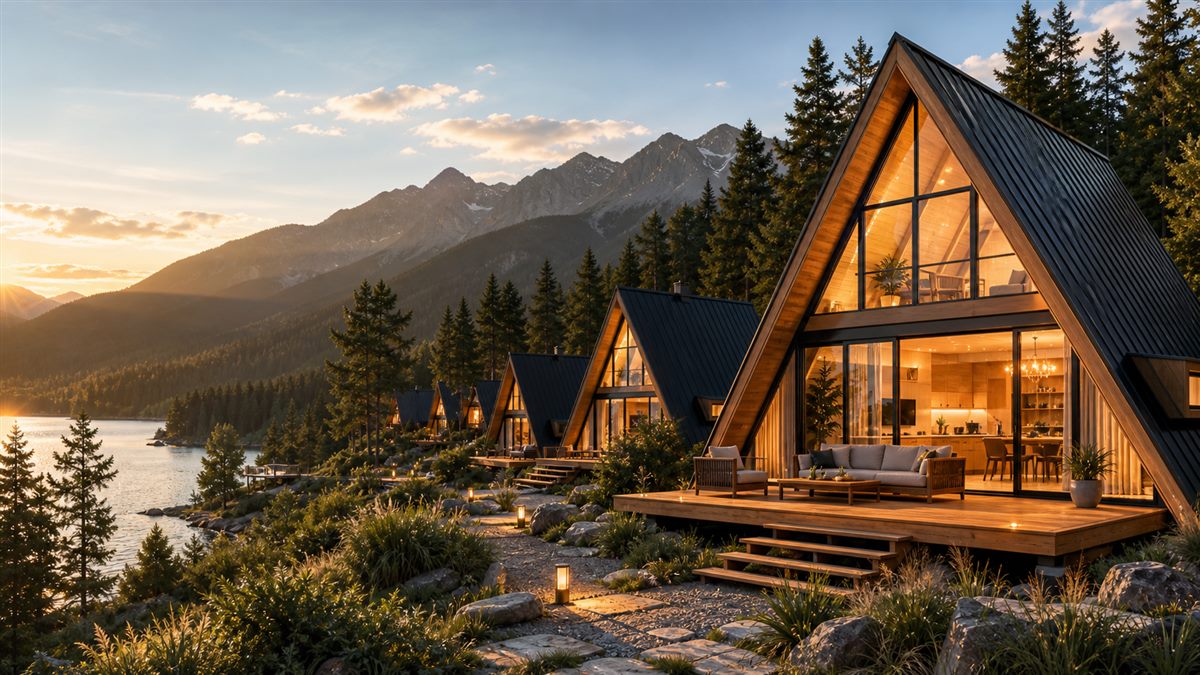
Glamping Site Modernization: Modular cabins, A-frame houses, and scenic-view units can be upgraded to enhance luxury and comfort.
Eco-Tourism Developments: Renovating existing prefabricated units minimizes environmental impact while preserving natural surroundings.
Planning a Successful Renovation
Effective renovation begins with careful planning. Key considerations include:
Structural Assessment: Ensure foundations, walls, roof, and utilities are sound before starting.
Design Planning: Align renovation goals with project objectives, user needs, and brand identity.
Budget Management: Include material costs, labor, transportation, utility upgrades, and contingency funds.
Professional Expertise: Work with experienced designers and contractors who understand prefabricated systems.
Proper planning ensures efficiency, quality, and long-term value.
Future Trends in Prefabricated House Renovation
As prefabricated construction technology advances, renovation approaches are becoming more sophisticated:
Smart modular renovations with integrated technology
Sustainable and low-carbon materials
Customization to meet niche tourism or residential demands
Flexible modular expansions to accommodate changing needs
Developers who embrace these innovations can enhance property value, operational efficiency, and visitor experience.
Conclusion
Prefabricated house renovation is more than just improving an existing structure—it is a strategic investment in functionality, sustainability, and user experience. By combining careful planning, quality materials, professional design, and modern construction techniques, renovation can transform outdated prefabricated houses into modern, efficient, and visually appealing spaces. Whether for residential living, resorts, glamping sites, or eco-tourism projects, prefabricated house renovation offers a cost-effective, environmentally friendly, and high-impact solution for modern development.
This article is approximately 1,000 words and provides a comprehensive guide to prefabricated house renovation for residential and tourism applications.
Prefab modular home visual reference
 Scan WeChat for quick project support