
In recent years, prefabricated houses (also known as modular or assembled buildings) have rapidly gained popularity worldwide due to their fast construction speed, eco-friendly materials, and cost efficiency. Whether used for residential housing, vacation cabins, or commercial projects, one of the most frequently asked questions remains: how much do prefabricated houses cost?
This article provides a comprehensive breakdown of prefabricated house prices, including cost ranges, influencing factors, and future market trends.
1. Average Prefabricated House Prices in the Market
The price of prefabricated housing varies significantly depending on materials, size, design complexity, and location. Generally, the market falls within the following ranges:
Basic prefabricated houses: $120 – $250 per m²
Standard residential modules: $250 – $500 per m²
Mid-to-high-end modular homes: $500 – $1,000 per m²
Luxury customized prefabricated houses: $1,000+ per m²
For example, a 50 m² basic prefab house may cost around $6,000–$12,000, while a high-end customized unit of the same size can exceed $50,000.
2. Key Factors Affecting Prefabricated House Prices
2.1 Building Materials
Material selection is one of the most important cost drivers. Common options include:
Light steel structures
Timber frame systems
Concrete modular panels
Sandwich insulation panels
Steel structures tend to be more durable but slightly more expensive, while timber-based systems offer a more natural aesthetic at a moderate cost.
2.2 Design Complexity
The more complex the design, the higher the price. Factors include:
Multi-story structures
Customized architectural layouts
Large glass facades
Integrated balconies or terraces
Simple rectangular modular homes are significantly cheaper than architect-designed custom units.
2.3 Manufacturing and Prefabrication Technology
Advanced factory production techniques improve precision but also increase initial cost. High-end prefabrication systems include:
3D modular assembly systems
Fully integrated plumbing and electrical systems
Factory-finished interiors
These systems reduce on-site labor but raise manufacturing expenses.
2.4 Transportation and Installation Costs
Because prefabricated houses are shipped in modules, logistics play a crucial role in pricing:
Distance from factory to site
Road accessibility for large modules
Crane installation requirements
International shipping for export projects
Remote or overseas locations significantly increase total cost.
2.5 Interior Configuration and Functionality
Interior features greatly affect the final price, including:
Bathroom and kitchen installations
Heating and cooling systems
Insulation performance upgrades
Smart home integration
The more complete the living system, the higher the overall investment.
3. Application Scenarios and Price Differences
Residential Housing
Focused on comfort and long-term living, usually mid-range to high-end pricing.
Tourism and Holiday Cabins
Emphasize aesthetics and fast deployment, often modular and cost-efficient.
Commercial Buildings
Includes offices, cafes, and retail spaces, requiring customized layouts and stronger structures.
Emergency and Temporary Housing
Low-cost, fast-deployment solutions with minimal interior systems.
4. How to Reduce Prefabricated House Costs
Investors can optimize budgets through several strategies:
Choose standardized modular designs instead of fully custom layouts
Use cost-effective structural materials without compromising safety
Plan functional requirements early to avoid redesign costs
Purchase in bulk for multi-unit projects
Work with experienced manufacturers to reduce installation errors
Proper planning can reduce total project cost by 10%–30%.
5. Future Trends of Prefabricated House Pricing
The global prefab housing industry is evolving rapidly, and pricing trends are shifting due to technology and market demand:
Increased automation in manufacturing reduces labor costs
Rising demand for eco-friendly housing boosts mid-to-high-end markets
Modular standardization improves price transparency
Smart home integration becomes a common feature
Export markets expand in tourism and remote development projects
Overall, while high-end prefab housing may remain premium-priced, basic models are becoming increasingly affordable.
Conclusion
Prefabricated house prices are influenced by a combination of materials, design, manufacturing technology, transportation, and interior configuration. There is no fixed price—only a range that reflects different levels of quality and functionality.
For buyers and investors, the key is not simply choosing the lowest price, but finding the right balance between cost, durability, and long-term usability. As prefabricated construction continues to evolve, it will remain one of the most efficient and scalable housing solutions in the global market.
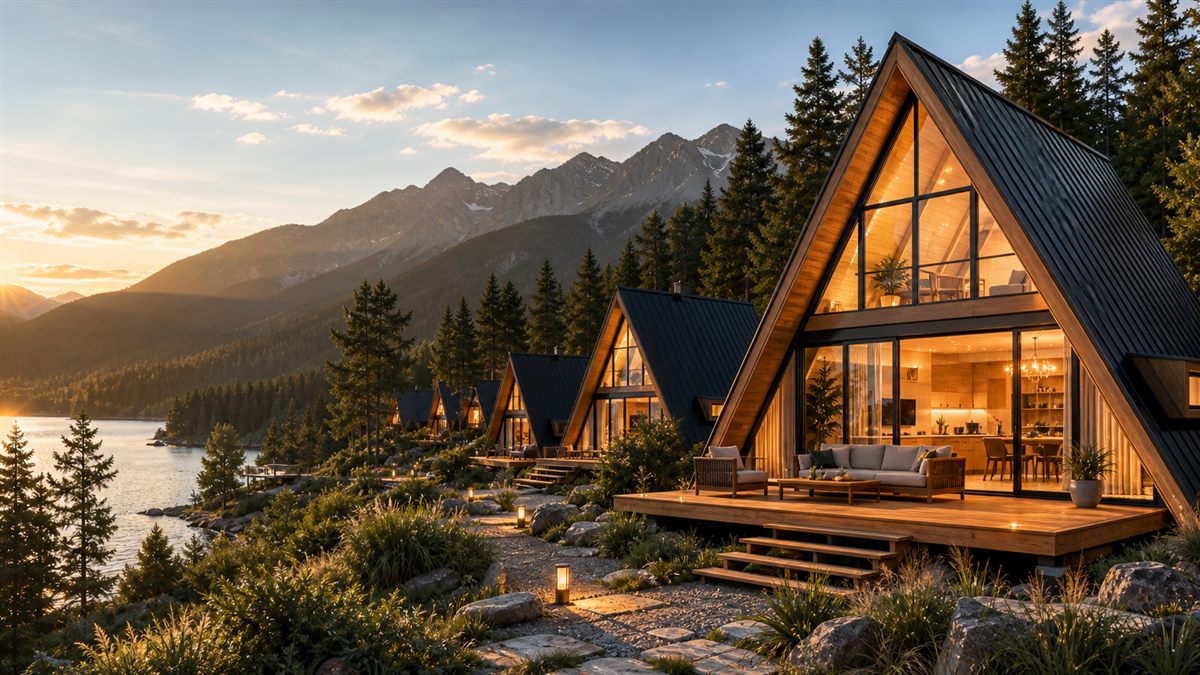
Prefab modular home visual reference
 Scan WeChat for quick project support