
As global demand for modular construction continues to grow, more international buyers are searching for reliable Prefabricated House export solutions. From glamping resorts and eco-tourism projects to modular villas and campsite accommodation, prefab houses are becoming one of the fastest-growing products in the international construction market.
But one question appears in almost every inquiry:
“Why are Prefabricated House export prices so different?”
Some suppliers offer extremely low prices.
Others quote much higher numbers for seemingly similar products.
The reality is simple:
A Prefabricated House is not just a product.
It is a complete system.
And the export price depends on much more than square meters alone.
Why Prefabricated Houses Are Becoming Popular WorldwideTraditional construction is becoming more expensive in many countries.
Developers today face multiple challenges:
Rising labor costs
Long construction timelines
Skilled worker shortages
Environmental regulations
High project risks
Because of this, modular and prefabricated construction has become a smarter option for many investors.
Prefab houses offer several major advantages:
Faster installation
Shorter project cycles
Easier transportation
Stable factory quality
Lower on-site labor requirements
For tourism and hospitality projects, faster construction often means faster revenue generation.
That is one of the biggest reasons the global prefab market is growing rapidly.
What Affects Prefabricated House Export Price?
Many buyers only compare the base price.
But professional export pricing involves multiple factors.
Structural System
Different structural systems create huge price differences.
Common options include:
Light steel structure
Timber structure
Steel-wood hybrid structure
Modular container systems
Each system affects:
Wind resistance
Earthquake performance
Durability
Installation efficiency
For export projects, especially in Europe, North America, and coastal regions, structural standards are much higher.
That directly impacts pricing.
Material Configuration
Not all prefab houses use the same materials.
Common materials include:
Anti-corrosion wood
Carbonized wood
Insulated wall panels
Double-glazed windows
Waterproof roofing systems
Higher-quality materials increase durability and customer experience, but they also increase cost.
For example, projects in colder regions usually require:
Stronger insulation
Thermal protection systems
Better waterproof performance
This significantly changes the final export price.
Interior Configuration
Many low-cost quotations only include the basic shell structure.
A complete Prefabricated House export solution may also include:
Bathroom systems
Electrical systems
Lighting systems
Air conditioning preparation
Flooring
Furniture packages
Kitchen systems
Different configuration levels create major pricing differences.
Shipping and Container Costs
Transportation plays a huge role in export pricing.
Especially for projects shipped to:
Europe
North America
Australia
Middle East
Island resorts
Container costs can fluctuate significantly.
Export pricing may include:
Container loading
Sea freight
Port charges
Customs clearance
Packaging systems
Professional prefab suppliers usually optimize container loading to reduce shipping costs.
Installation Method
Prefab houses generally follow two export methods.
Flat-Pack System
The house is packed in pieces and assembled on-site.
Advantages:
Lower shipping cost
Easier container loading
Disadvantages:
Longer installation time
Higher on-site labor requirement
Fully Modular System
The house is mostly completed in the factory and shipped as modules.
Advantages:
Faster installation
Better factory quality control
More suitable for high-end projects
Disadvantages:
Higher transportation costs
Different project types require different solutions.
Why High-End Prefabricated Houses Cost More
Many buyers initially focus only on low prices.
But experienced developers focus on:
Long-term durability
Maintenance costs
Guest experience
Installation efficiency
Return on investment
Especially in tourism projects.
Low-quality prefab houses often create problems later:
Roof leakage
Poor insulation
Moisture damage
Structural instability
Expensive maintenance
That is why professional buyers prefer reliable systems over the cheapest quotation.
Which Projects Use Prefabricated Houses?
Prefab houses are widely used in:
Glamping Resorts
Luxury camping projects increasingly use:
A-frame cabins
Modular villas
Tiny houses
Star-view cabins
because they are visually attractive and fast to install.
Eco Tourism Projects
Prefab structures fit naturally into forests, mountains, lakeside areas, and eco-friendly tourism zones.
Resort Accommodation
Many resort developers use modular prefab houses to reduce construction time and improve operational efficiency.
Farm and Countryside Projects
Prefab wooden houses are becoming popular in:
Eco farms
Countryside tourism
Rural revitalization projects
because they create a natural atmosphere.
How to Choose a Reliable Prefabricated House Export SupplierA professional supplier should offer more than just products.
Real Factory Capability
Reliable manufacturers usually have:
Production workshops
Modular production lines
Quality control systems
Export loading experience
Factory capability directly affects delivery quality and project timelines.
Export Experience
International projects require experience with:
Container loading
Overseas regulations
Installation systems
International certifications
Shipping coordination
Suppliers without export experience may create serious project delays.
Design and Customization Ability
Modern buyers no longer want generic products.
Today’s market values:
Unique appearance
Tourism aesthetics
Social media appeal
Functional layouts
Professional suppliers can customize designs according to project positioning.
The Future of Prefabricated House Export MarketThe global prefab housing industry is moving toward:
Faster construction
Eco-friendly materials
Smart modular systems
High-end tourism design
Sustainable development
Especially in the hospitality industry, buyers increasingly care about:
“Experience-driven space.”
This creates strong long-term demand for modern Prefabricated House export solutions.
Conclusion
Prefabricated House export price is not simply about the lowest number.
It is about:
Structural quality
Material standards
Transportation systems
Installation efficiency
Long-term project value
Professional buyers understand that a prefab house is not just a building.
It is a complete operational solution for tourism, hospitality, and modular living projects worldwide.
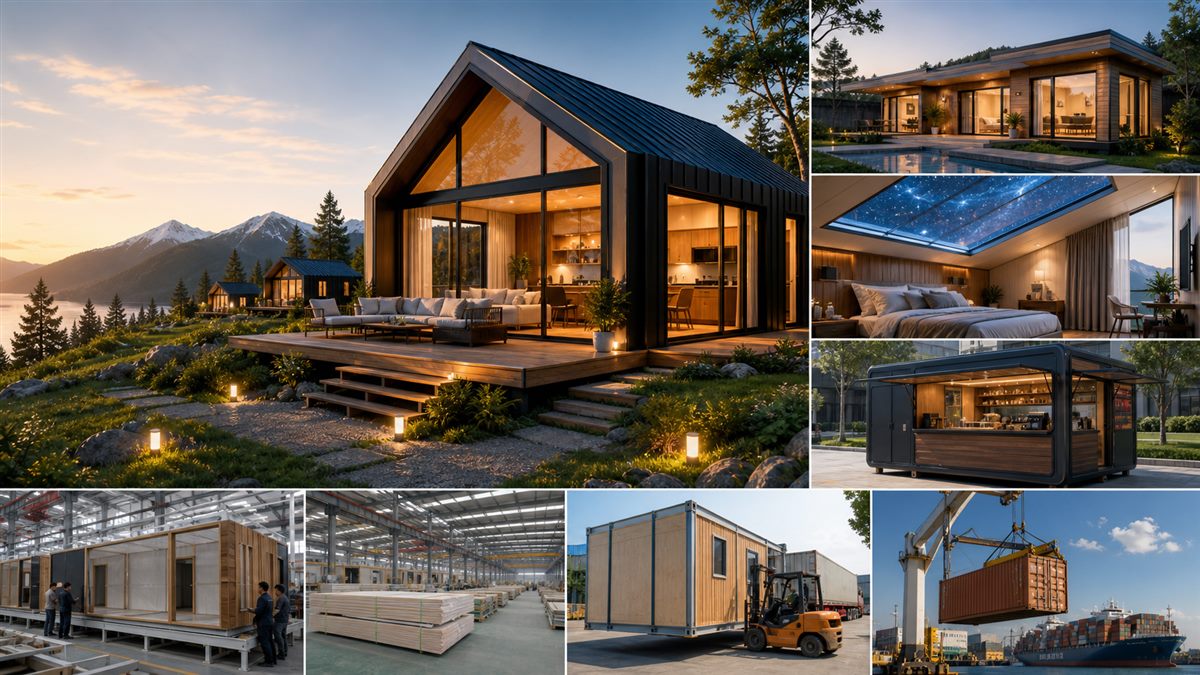
Prefab modular home visual reference
 Scan WeChat for quick project support