
Introduction: A New Era of Clubhouse Construction
In today’s rapidly evolving construction and real estate landscape, the concept of a prefabricated building clubhouse is gaining strong global attention. As developers and investors seek faster delivery, lower costs, and more sustainable building solutions, prefabricated architecture is emerging as a leading choice for leisure, hospitality, and community-focused projects.
A clubhouse is no longer just an auxiliary building. It has become a key lifestyle hub within resorts, residential communities, cultural tourism destinations, and wellness centers. The integration of prefabricated construction methods into clubhouse design is transforming how these spaces are planned, built, and experienced.
What Is a Prefabricated Building Clubhouse?
A prefabricated building clubhouse refers to a clubhouse structure that is manufactured in modules or components in a controlled factory environment and then transported to the site for rapid assembly.
Instead of traditional on-site construction, most structural elements—including walls, beams, floors, roof systems, and even interior finishes—are pre-engineered and produced in advance.
This method significantly reduces on-site labor, construction time, and material waste while ensuring higher precision and quality control.
Key Advantages of Prefabricated Clubhouses
1. Faster Construction Speed
One of the most significant advantages is the dramatic reduction in construction time. While traditional clubhouse projects may take 8–18 months depending on complexity, prefabricated systems can reduce this by 30%–70%.
Factory production and site preparation occur simultaneously, enabling parallel workflows that accelerate project delivery.
2. Cost Efficiency and Budget Control
Prefabricated construction allows for more accurate budgeting and reduced financial risk. Since materials are pre-ordered and production is standardized, unexpected cost overruns are minimized.
Labor costs are also significantly reduced due to simplified on-site installation processes.
3. High-Quality Manufacturing Standards
Because components are manufactured in controlled factory environments, prefabricated clubhouses benefit from:
Consistent structural accuracy
Improved material performance
Reduced human error
Better quality inspections
This ensures a more reliable and durable final structure compared to traditional on-site construction.
4. Sustainable and Eco-Friendly Construction
Sustainability is a major driving force behind prefabricated architecture. Key environmental benefits include:
Reduced construction waste
Lower carbon emissions
Efficient use of materials
Minimal site disruption
Many modern prefabricated clubhouses also integrate energy-efficient systems such as solar panels, insulation upgrades, and smart climate control.
5. Flexible and Customizable Design
Contrary to common misconceptions, prefabricated buildings are highly customizable. A prefabricated clubhouse can be designed in various architectural styles, including:
Modern minimalist
Scandinavian natural style
Luxury resort style
Eco-lodge or forest retreat design
Modules can be combined in multiple configurations to achieve unique spatial layouts and functional zoning.
Typical Applications of Prefabricated Clubhouses
1. Residential Communities
In housing developments, clubhouses serve as social and recreational centers, offering gyms, lounges, meeting rooms, and children’s activity areas.
2. Resort and Hospitality Projects
In tourism destinations, clubhouses often function as reception halls, restaurants, entertainment spaces, and viewing platforms.
3. Wellness and Eco Retreat Centers
Prefabricated clubhouses are widely used in wellness resorts, yoga retreats, and nature-based healing environments due to their natural aesthetic and quick deployment.
4. Cultural and Commercial Spaces
They can also serve as exhibition halls, creative studios, or multifunctional event venues in cultural tourism developments.
Construction Process Overview
The development of a prefabricated clubhouse typically follows these key stages:
1. Concept Design and Planning
Architects define spatial functions, style direction, and site adaptation strategies.
2. Modular Engineering Design
Structural engineers convert the design into modular units suitable for factory production.
3. Factory Manufacturing
All components are produced under strict quality control, including structural frames, wall panels, and roofing systems.
4. Transportation and Site Preparation
Modules are delivered to the construction site while foundation works are completed in parallel.
5. On-Site Assembly
Crane installation and mechanical connections are completed in a short timeframe.
6. Interior Finishing and System Integration
Electrical, plumbing, HVAC, and interior decoration are finalized.
7. Final Inspection and Handover
The clubhouse is tested, inspected, and officially delivered for use.
Design Trends in Modern Prefabricated Clubhouses
Smart Integration
Modern clubhouses increasingly incorporate smart building systems, including lighting automation, climate control, and security monitoring.
Biophilic Design
Architects emphasize harmony with nature by integrating large glass facades, natural materials, and landscape-oriented layouts.
Modular Expansion Capability
Future expansion is easier due to the modular nature of construction, allowing buildings to grow with demand.
Hybrid Material Systems
Many projects combine wood, steel, and glass to achieve both structural performance and aesthetic appeal.
Conclusion: The Future of Clubhouse Development
The prefabricated building clubhouse represents a powerful shift in how architectural spaces are designed and constructed. It combines efficiency, sustainability, flexibility, and aesthetic value into one integrated solution.
As global demand for fast-deployable and environmentally responsible buildings continues to rise, prefabricated clubhouses are expected to become a standard in residential, tourism, and commercial development projects.
They are not just buildings—they are scalable, intelligent, and sustainable lifestyle spaces designed for the future.
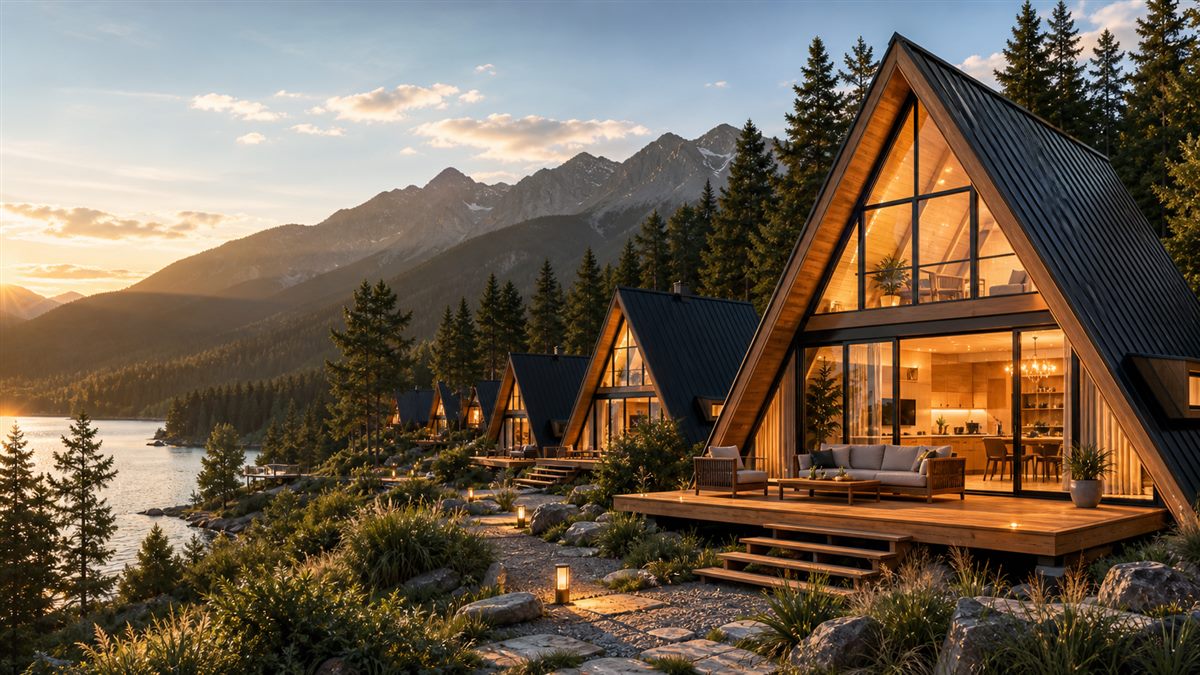
Prefab modular home visual reference
 Scan WeChat for quick project support