
With the growing popularity of eco-friendly architecture, overseas wooden houses—especially log cabins and prefabricated timber homes—have become a preferred choice in resorts, vacation properties, and eco-tourism developments. These structures combine natural aesthetics with sustainable construction methods. However, to ensure long-term performance, proper design planning and regular maintenance are essential.
This article explores how overseas wooden house design and maintenance work together to create durable, comfortable, and weather-resistant living spaces.
1. The Importance of Proper Wooden House Design
A well-designed wooden house is the foundation of long-term durability. When building overseas, designers must consider climate conditions, local building regulations, and environmental factors.
1.1 Climate Adaptation Design
Different regions require different structural adaptations:
Humid tropical areas need enhanced ventilation and anti-mold protection
Cold regions require thicker insulation and wind-resistant structures
Coastal areas need salt-resistant coatings and corrosion protection
Designing according to climate ensures that the wooden house maintains stability and comfort over time.
1.2 Structural Stability
Wooden houses must balance aesthetics with engineering safety. Key structural considerations include:
Load-bearing framework design
Earthquake and wind resistance
Proper foundation integration
Moisture isolation between ground and structure
High-quality structural design reduces deformation and extends service life.
1.3 Material Selection
The durability of a wooden house depends heavily on materials:
Pressure-treated wood for outdoor resistance
Laminated timber for enhanced strength
Eco-friendly coatings for UV protection
Fire-retardant treatments for safety compliance
Selecting certified materials ensures compliance with international standards.
2. Key Maintenance Practices for Overseas Wooden Houses
Even with excellent design, wooden houses require ongoing maintenance, especially in overseas environments where climate conditions can be challenging.
2.1 Regular Surface Protection
Wood is naturally affected by moisture and sunlight. Protective coatings should be applied regularly:
Repainting or resealing every 2–3 years
UV-resistant varnish to prevent fading
Waterproof coatings to reduce moisture absorption
This helps preserve both appearance and structural integrity.
2.2 Moisture and Mold Control
Moisture is one of the biggest threats to wooden structures. Maintenance strategies include:
Ensuring proper ventilation systems
Installing moisture barriers in critical areas
Checking for leaks in roofs and joints
Using dehumidifiers in enclosed spaces when necessary
Early prevention avoids long-term structural damage.
2.3 Pest Prevention
Termites and wood-boring insects are common in many regions. Effective prevention includes:
Regular pest inspections
Chemical or natural anti-termite treatments
Sealing cracks and entry points
Using treated timber during construction
Routine inspections are essential for early detection.
2.4 Structural Inspections
Annual or seasonal inspections help identify potential issues:
Checking foundation stability
Inspecting roof joints and fasteners
Evaluating wall deformation or cracks
Reinforcing weakened components if needed
Timely repairs significantly extend building lifespan.
3. Challenges of Overseas Wooden House Projects
Building and maintaining wooden houses overseas involves unique challenges:
3.1 Transportation and Installation
Prefabricated components must be carefully packaged for long-distance shipping. Improper logistics can cause material damage or delays.
3.2 Local Regulations
Different countries have varying building codes. Compliance with fire safety, insulation standards, and structural requirements is essential.
3.3 Environmental Exposure
UV radiation, heavy rain, snow, or coastal salt air can accelerate wood aging if not properly protected.
4. Best Practices for Long-Term Durability
To ensure long-lasting performance of overseas wooden houses, the following strategies are recommended:
Use high-quality engineered timber materials
Apply multi-layer protective coatings
Design with climate-specific engineering solutions
Establish a scheduled maintenance plan
Work with experienced international suppliers
A combination of smart design and proactive maintenance ensures that wooden houses remain strong, safe, and visually appealing for decades.
5. Conclusion
Overseas wooden house design and maintenance are closely connected processes that determine the long-term success of any timber structure project. While thoughtful design ensures structural strength and environmental adaptability, consistent maintenance preserves beauty and functionality.
By integrating advanced design techniques with regular upkeep practices, wooden houses can deliver both comfort and sustainability in diverse global environments.
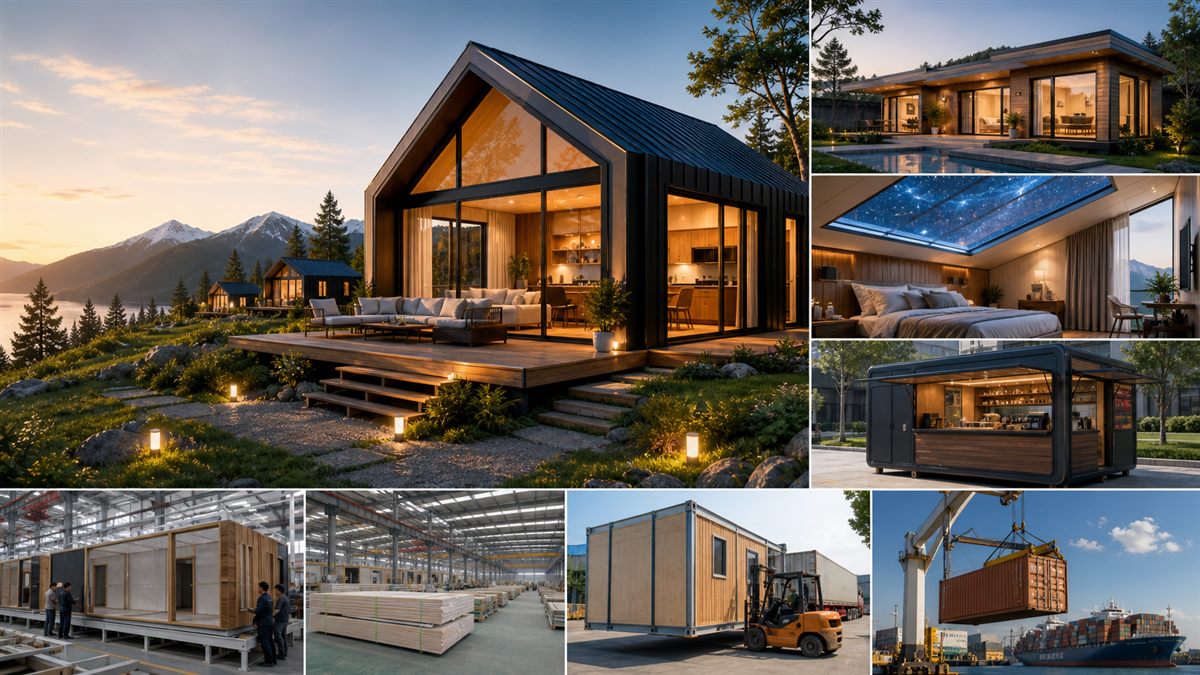
Prefab modular home visual reference
 Scan WeChat for quick project support