
As global tourism continues to shift toward eco-friendly and experience-based travel, wooden cabins in scenic areas have become a core architectural form for resorts, national parks, and nature-based destinations. When these structures are built overseas, success depends not only on design and construction, but also on one essential factor: long-term maintenance and lifecycle management.
This article explores the full system of overseas scenic area wooden cabin design and maintenance, including planning principles, environmental adaptation strategies, and sustainable upkeep solutions.
1. The Role of Wooden Cabins in Overseas Scenic Areas
Wooden cabins are widely used in scenic and resort environments because they blend naturally with landscapes while providing functional accommodation and commercial space. Compared with traditional buildings, they offer:
Faster construction and deployment
Lower environmental impact
Strong visual integration with nature
Flexible modular expansion options
In overseas scenic areas such as mountain resorts, coastal parks, and forest eco-reserves, wooden cabins are often the preferred solution for tourism infrastructure.
2. Key Challenges in Overseas Design and Maintenance
When wooden cabins are exported and built in different regions, they face complex environmental challenges:
2.1 Climate Diversity
Different regions may include:
Tropical humid climates
Desert high-temperature zones
Cold alpine environments
Coastal salt corrosion conditions
Each climate requires specific design and maintenance strategies.
2.2 Material Aging Under Natural Exposure
Long-term exposure to sunlight, rain, and humidity can cause:
Wood cracking
Surface discoloration
Protective coating degradation
2.3 Structural Adaptation Issues
Temperature differences can lead to:
Expansion and contraction of wood
Loose structural connections
Door and window misalignment
3. Principles of Overseas Scenic Cabin Design
A successful design system must consider both aesthetics and durability.
3.1 Climate-Responsive Design
Cabins should be designed based on local environmental conditions, including:
Roof slope adjustment for heavy rainfall areas
Elevated foundations for humid regions
Insulated wall systems for cold climates
3.2 Modular Construction System
Using modular design improves:
Transportation efficiency
On-site installation speed
Future maintenance convenience
3.3 Eco-Friendly Material Selection
Common materials include:
Pressure-treated timber
Thermally modified wood
Composite anti-corrosion panels
These materials improve long-term durability in outdoor environments.
4. Maintenance System for Overseas Wooden Cabins
Maintenance is a critical extension of design. A complete system includes:
4.1 Preventive Maintenance Planning
Before deployment, cabins should undergo:
Anti-corrosion treatment
Waterproof coating application
Structural reinforcement testing
This reduces long-term maintenance frequency.
4.2 Regular Inspection Program
Maintenance schedules should be adapted to climate conditions:
Quarterly inspections in humid areas
Semi-annual inspections in temperate zones
Annual full structural assessments
Key focus areas include roofs, joints, and exterior coatings.
4.3 Local Maintenance Support Network
Establishing regional service partners ensures:
Faster repair response
Lower maintenance costs
Improved customer satisfaction
4.4 Remote Technical Guidance System
Modern maintenance often includes digital support such as:
Online maintenance manuals
Video troubleshooting assistance
BIM-based structural monitoring
This is especially important for remote scenic areas.
5. Maintenance Technologies Driving Industry Development
The industry is evolving toward smarter and more sustainable solutions:
High-durability eco coatings with UV resistance
Replaceable modular structural components
Smart humidity and deformation monitoring systems
Digital twin management for building lifecycle tracking
These technologies significantly improve long-term operational stability.
6. Value of Integrated Design and Maintenance Systems
Combining design and maintenance into one system brings major benefits:
Extended service life of wooden cabins
Lower lifecycle operating costs
Improved safety and structural stability
Enhanced tourism experience quality
Stronger international project competitiveness
For overseas scenic projects, maintenance is no longer an afterthought—it is part of the design strategy itself.
Conclusion
Overseas scenic area wooden cabin design and maintenance is a comprehensive system that integrates architecture, engineering, environmental science, and lifecycle management. Successful projects must consider not only how cabins are built, but also how they perform over time in diverse global environments.
By combining climate-adaptive design, modular construction, and intelligent maintenance systems, wooden cabins can achieve long-term durability while maintaining their natural aesthetic appeal—making them a sustainable solution for the future of global scenic tourism development.
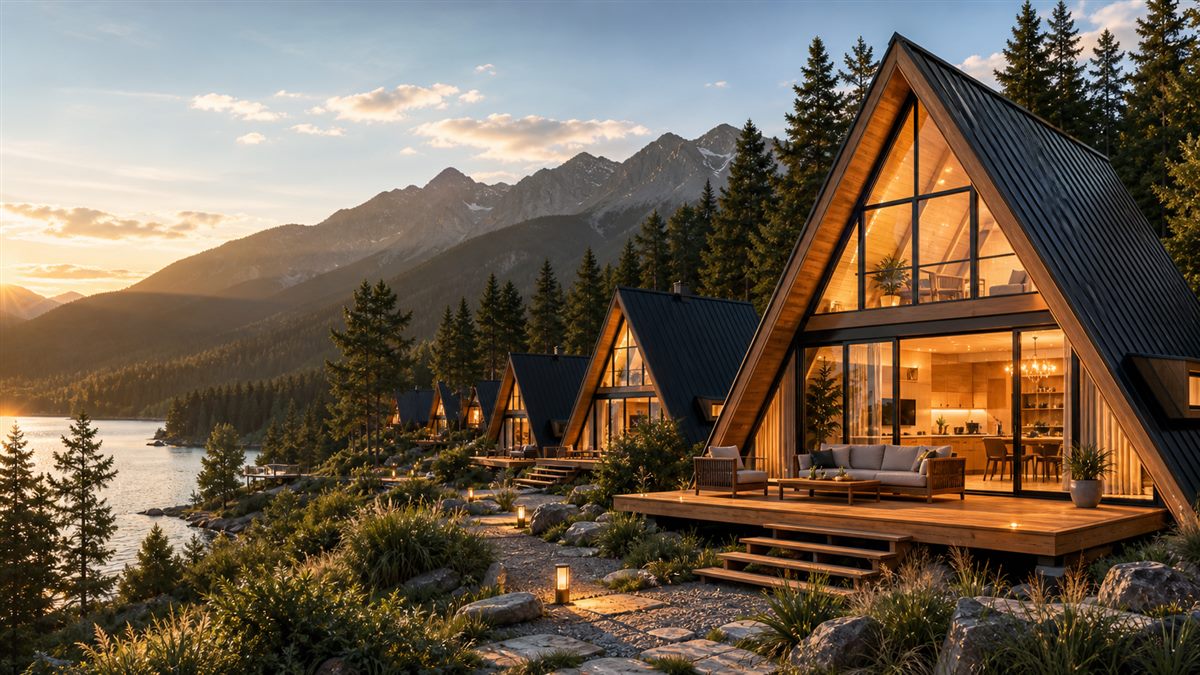
Prefab modular home visual reference
 Scan WeChat for quick project support