
As the global demand for sustainable construction, eco-tourism, and flexible living spaces continues to grow, the multi-functional prefabricated wooden house has emerged as a highly practical and innovative building solution. Combining industrialized manufacturing with natural wooden aesthetics, this type of structure is widely used in resorts, campsites, homestays, rural revitalization projects, and commercial leisure developments.
Compared with traditional concrete buildings, prefabricated wooden houses offer faster installation, lower environmental impact, and significantly higher design flexibility—making them an ideal choice for modern investors and developers.
What Is a Multi-functional Prefabricated Wooden House?
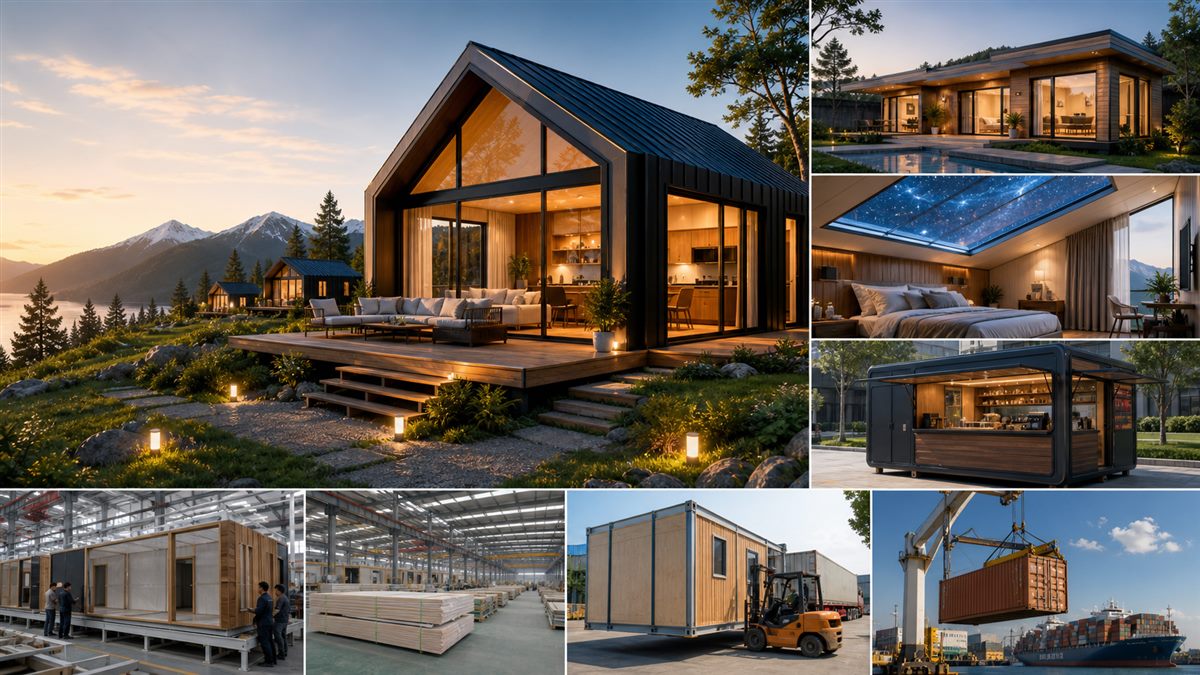
A multi-functional prefabricated wooden house is a modular building system where key structural components are manufactured in a factory and then transported to the site for rapid assembly.
These buildings are designed to serve multiple purposes, such as:
Eco-resort accommodation units
Glamping cabins and camping lodges
Holiday villas
Commercial kiosks or cafés
Exhibition or reception spaces
Private garden cabins
The “multi-functional” aspect means the structure can be adapted for residential, commercial, or tourism-related uses with minimal modification.
Key Advantages of Multi-functional Prefabricated Wooden Houses1. Fast Construction and Installation
Most components are pre-produced in factories, which significantly reduces on-site construction time. A complete wooden house can often be installed within days or weeks, depending on size and complexity.
2. Eco-friendly and Sustainable Design
Wood is a renewable material, and prefabrication reduces construction waste. This makes prefabricated wooden houses an environmentally responsible choice aligned with global sustainability goals.
3. High Flexibility in Design
These structures can be customized in various styles, including:
Modern minimalist cabins
A-frame triangular houses
Nordic-style villas
Luxury glamping units
Modular commercial spaces
This flexibility allows developers to match different project themes and branding needs.
4. Cost Efficiency
By shifting most of the construction process to factory production, labor costs, material waste, and construction delays are significantly reduced.
5. Strong Adaptability
Multi-functional prefabricated wooden houses can be used in diverse environments, such as:
Mountains
Forests
Lakesides
Coastal areas
Rural landscapes
Their modular nature allows them to adapt to different terrains and climates.
Typical Applications of Prefabricated Wooden HousesEco-tourism Resorts
They are widely used in scenic resorts to provide unique accommodation experiences that blend naturally with the environment.
Camping and Glamping Sites
Prefabricated wooden cabins are becoming a core infrastructure for luxury camping businesses, offering comfort and style in natural settings.
Rural Development Projects
In rural revitalization initiatives, wooden houses are used for homestays, visitor centers, and community facilities.
Private Leisure Villas
Homeowners increasingly choose prefabricated wooden houses as vacation homes or backyard retreats.
Commercial and Retail Spaces
They can also serve as cafés, pop-up stores, or exhibition spaces due to their modular and attractive design.
Structural System Overview
A typical multi-functional prefabricated wooden house includes:
Structural frame system (wood or hybrid wood-steel)Wall panel system with insulation layers
Roof waterproofing system
Pre-installed electrical and plumbing systemsDoor and window assemblies
Optional interior finishing modules
This integrated system ensures both durability and comfort.
Installation Process
The installation of a prefabricated wooden house generally includes the following steps:
Design and planning based on project requirementsFactory production of modular components
Transportation to the project site
Foundation preparation
On-site assembly and installation
Electrical and plumbing connection
Final inspection and commissioning
This streamlined process ensures rapid project delivery.
Why It Is Becoming a Global Trend
The rise of multi-functional prefabricated wooden houses is driven by several global trends:
Increasing demand for eco-friendly architectureGrowth of tourism and leisure industries
Need for rapid deployment of accommodation facilitiesShift toward experiential and nature-based livingCost pressure in traditional construction
As a result, governments, developers, and private investors are increasingly adopting prefabricated wooden building systems.
Future Development Trends
1. Smart Integration
Future wooden houses will increasingly integrate smart home systems, including lighting control, climate regulation, and energy monitoring.
2. Modular Expansion
Buildings will be designed for easy expansion and reconfiguration based on business needs.
3. Luxury Customization
High-end eco-resorts will demand more personalized and premium wooden house designs.
4. Sustainable Materials Innovation
New treatments and engineered wood materials will improve durability and environmental performance.
Conclusion
The multi-functional prefabricated wooden house represents a new generation of sustainable, flexible, and efficient building solutions. It bridges the gap between natural living and modern construction technology, making it highly suitable for tourism development, rural projects, and private leisure spaces.
As the demand for eco-friendly and experience-driven architecture continues to grow, prefabricated wooden houses are expected to play an increasingly important role in the global construction and tourism industries.
Prefab modular home visual reference
 Scan WeChat for quick project support