Introduction
The tourism industry is evolving rapidly, and developers are constantly searching for innovative ways to create attractive, sustainable, and profitable destinations. Traditional construction methods often require long development cycles, high labor costs, and significant environmental impact. As a result, modular construction has emerged as a preferred solution for scenic resorts, eco-tourism destinations, wellness retreats, and cultural tourism projects.
Modular construction combines modern engineering, factory-controlled production, and efficient on-site installation, providing a faster and more sustainable approach to tourism infrastructure development. Today, scenic resorts around the world are adopting modular buildings to create high-quality accommodations, visitor centers, restaurants, wellness facilities, and recreational spaces.
What Is Modular Construction?
Modular construction refers to a building method where structural components are manufactured in a factory and transported to the project site for assembly. Unlike conventional construction, which is completed entirely on-site, modular buildings are prefabricated under controlled conditions to ensure precision, consistency, and efficiency.
These buildings can be designed in various styles and materials, including:
Timber lodges
Prefabricated cabins
Modular hotels
Eco-resort villas
Wellness clubhouses
Tourist service centers
Restaurants and cafés
Outdoor recreation facilities
This construction approach offers flexibility while maintaining high standards of quality and durability.
Why Scenic Resorts Choose Modular Buildings
Faster Construction Time
One of the greatest advantages of modular construction is speed. Since manufacturing and site preparation can occur simultaneously, project timelines can be reduced significantly.
For tourism developers, this means:
Earlier project completion
Faster operational launch
Quicker return on investment
Reduced project delays
In competitive tourism markets, speed can provide a significant business advantage.
Reduced Environmental Impact
Many scenic destinations are located in environmentally sensitive areas such as forests, mountains, lakesides, and coastal regions.
Modular construction minimizes:
Site disturbance
Construction waste
Noise pollution
Carbon emissions
This makes modular buildings ideal for sustainable tourism projects that prioritize environmental protection.
Better Cost Control
Factory production improves material efficiency and reduces labor expenses. Developers benefit from predictable construction budgets and fewer unexpected costs.
The result is a more manageable investment process with lower financial risk.
Consistent Quality
Building components are manufactured in controlled environments using advanced technology and strict quality standards. This ensures precision, durability, and long-term performance.
Applications in Scenic Tourism Projects
Eco-Tourism Resorts
Eco-resorts require buildings that blend naturally with their surroundings. Modular timber lodges and cabins create comfortable accommodations while maintaining harmony with nature.
Glamping and Luxury Camping Sites
Glamping has become one of the fastest-growing tourism sectors worldwide. Modular accommodations provide modern comfort while preserving the outdoor experience that travelers seek.
Wellness Retreats
Wellness tourism is increasingly popular among travelers looking for relaxation and rejuvenation.
Modular wellness facilities may include:
Yoga studios
Meditation centers
Spa buildings
Wellness clubhouses
Therapy rooms
These structures create peaceful environments that support physical and mental well-being.
Cultural and Rural Tourism Destinations
Rural tourism developments often require quick and flexible infrastructure solutions. Modular buildings can support visitor centers, exhibition spaces, restaurants, and accommodation facilities while preserving local cultural characteristics.
Mountain and Forest Resorts
Remote locations present unique construction challenges. Prefabricated modules simplify transportation and installation, making them ideal for mountain and forest destinations.
Timber Modular Buildings for Scenic Areas
Timber modular buildings are particularly popular in scenic resort developments.
Natural Beauty
Wood creates a warm and welcoming atmosphere that enhances the visitor experience.
Sustainability
Timber is a renewable and environmentally friendly building material that supports green development goals.
Energy Efficiency
Timber structures provide excellent insulation properties, reducing energy consumption throughout the year.
Harmony with Nature
Timber architecture blends seamlessly into natural landscapes, making it highly suitable for tourism environments.
Essential Facilities for Modern Scenic Resorts
A successful scenic destination requires more than accommodation. Comprehensive tourism infrastructure may include:
Accommodation Units
Luxury cabins
Resort villas
Family lodges
Boutique hotel rooms
Public Facilities
Reception centers
Restaurants
Cafés
Conference rooms
Wellness centers
Outdoor Attractions
Viewing platforms
Timber walkways
Landscape pavilions
Recreational areas
Modular construction allows all these facilities to be developed efficiently and cohesively.
Investment Advantages
For investors and developers, modular scenic resort projects offer several benefits.
Faster Revenue Generation
Reduced construction time means earlier operation and quicker income generation.
Flexible Expansion
Additional modules can be added as visitor demand grows, allowing projects to scale efficiently.
Lower Operational Costs
Energy-efficient building systems help reduce long-term maintenance and utility expenses.
Strong Market Appeal
Modern travelers increasingly value sustainability, unique architecture, and nature-based experiences. Modular tourism developments align perfectly with these market trends.
The Future of Tourism Infrastructure
The global tourism industry is moving toward smarter, greener, and more sustainable development models. Modular construction supports these goals by delivering high-quality buildings with reduced environmental impact and greater operational efficiency.
As demand continues to grow for:
Eco-tourism
Wellness tourism
Glamping destinations
Rural revitalization projects
Nature-based travel experiences
Modular construction will play an increasingly important role in shaping the future of scenic resort development.
Conclusion
Modular Construction for Scenic Resorts offers a practical, sustainable, and cost-effective solution for modern tourism projects. By combining rapid construction, environmental responsibility, design flexibility, and long-term durability, modular buildings help developers create attractive destinations that meet the needs of today’s travelers.
Whether developing an eco-resort, wellness retreat, mountain lodge, cultural tourism village, or luxury glamping site, modular construction provides an efficient pathway to successful tourism development and long-term investment returns.
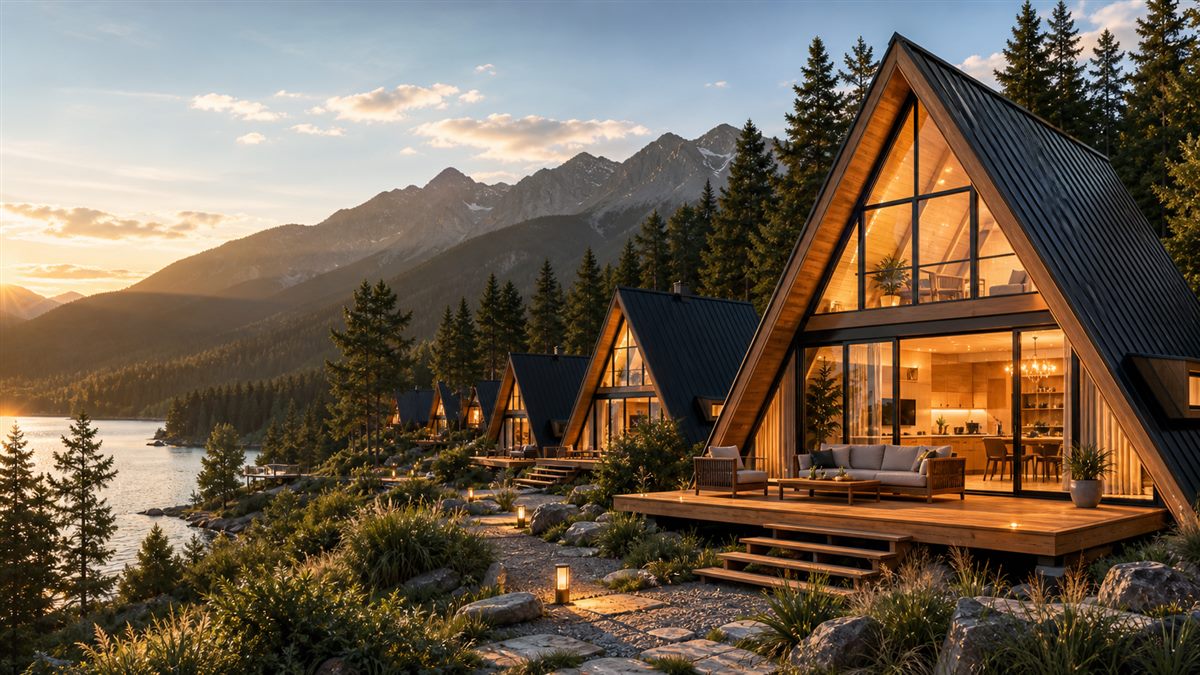
Prefab modular home visual reference
 Scan WeChat for quick project support