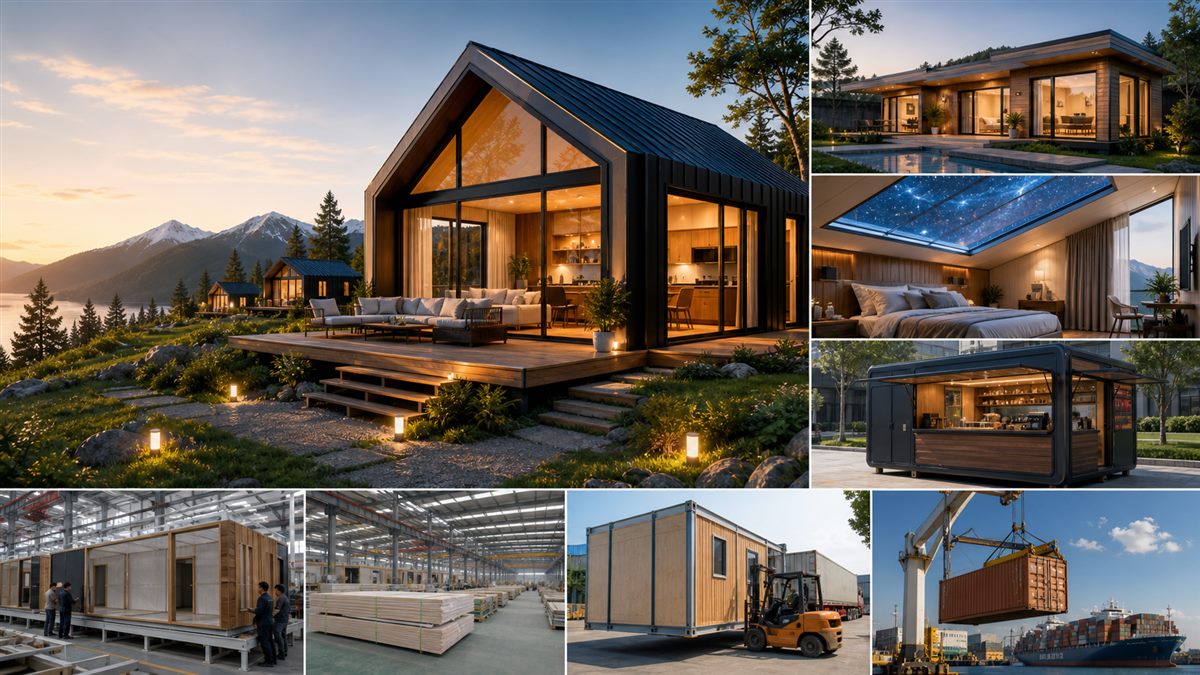
With the rapid expansion of global eco-tourism, resort development, and sustainable construction, modular wooden houses are increasingly being exported to different countries for use in resorts, campsites, homestays, and scenic areas. However, once these structures are installed overseas, their long-term performance depends heavily on one critical factor: professional export maintenance services.
This article provides a complete overview of maintenance for exported modular wooden houses, including common problems, maintenance systems, and best practices for ensuring long-term durability in diverse climates.
1. Importance of Export Maintenance for Modular Wooden Houses
Unlike traditional concrete buildings, modular wooden houses are more sensitive to environmental changes such as humidity, temperature variation, UV exposure, and coastal salt corrosion. When exported to different regions, they often face:
Tropical high humidity climates
Cold and freezing environments
Strong ultraviolet radiation zones
Coastal salt-laden air conditions
Without proper maintenance, these factors can significantly reduce the lifespan of wooden structures.
Therefore, export maintenance is not just after-sales service—it is a core part of lifecycle management.
2. Common Maintenance Issues in Exported Wooden Cabins
In real-world applications, several common issues may occur after installation:
2.1 Structural Connection Loosening
Due to transportation vibration or seasonal expansion and contraction of wood, bolts and joints may become slightly loose.
2.2 Surface Coating Wear
Protective coatings may fade or peel under strong sunlight or long-term exposure.
2.3 Moisture and Mold Problems
In humid regions, insufficient ventilation can lead to mold growth or localized dampness.
2.4 Door and Window Deformation
Temperature fluctuations may affect sealing performance and alignment.
2.5 Roof and Waterproofing Aging
Over time, waterproof membranes and sealing layers may degrade, leading to leakage risks.
3. Core System of Export Maintenance Services
A professional maintenance system for modular wooden houses should include the following components:
3.1 Preventive Maintenance Strategy
Before export, structures should undergo:
Deep wood anti-corrosion treatment
Enhanced waterproof coating
Structural reinforcement design
This reduces future maintenance frequency.
3.2 Standardized Installation and Protection
Proper on-site installation guidance ensures structural accuracy and minimizes early-stage defects.
3.3 Localized After-Sales Support Network
Establishing regional service partners allows faster response times for repairs and inspections.
3.4 Remote Technical Assistance
Through digital drawings, video guidance, and online support systems, maintenance teams can provide real-time solutions even across borders.
3.5 Scheduled Inspection System
Regular inspections based on climate conditions help detect issues early, including:
Annual structural checks
Seasonal waterproof inspections
Biannual surface treatment evaluations
4. Maintenance Technologies and Upgrades
Modern maintenance systems are becoming more advanced and efficient, including:
High-performance eco-friendly protective coatings
Replaceable modular structural components
Smart monitoring systems for humidity and structural movement
BIM-based maintenance tracking systems
These technologies significantly reduce long-term maintenance costs and improve service efficiency.
5. Benefits of Professional Export Maintenance Services
A strong maintenance system provides multiple advantages for global projects:
Extended service life of wooden structures
Reduced long-term operational costs
Improved safety and stability
Higher customer satisfaction in resort and tourism projects
Stronger international brand reputation
For large-scale projects such as eco-resorts and camping sites, maintenance quality directly impacts profitability.
Conclusion
As global demand for sustainable and prefabricated architecture continues to grow, maintenance services for exported modular wooden houses have become a crucial part of the industry value chain. They are no longer optional support functions but essential systems that ensure durability, safety, and long-term economic performance.
By integrating preventive design, standardized installation, localized support, and digital maintenance technologies, companies can ensure that modular wooden houses remain reliable and competitive in diverse global environments.
Prefab modular home visual reference
 Scan WeChat for quick project support