
In recent years, the global demand for prefabricated houses has grown rapidly. From luxury glamping resorts and eco-tourism projects to modular villas and worker accommodations, more developers and investors are turning to prefabricated construction solutions because of their speed, flexibility, and cost efficiency.
One of the most common questions international buyers ask is: “How much does it cost to export prefabricated houses?” The answer depends on several important factors, including house type, materials, customization level, shipping costs, and installation requirements.
What Is a Prefabricated House?
A prefabricated house, also known as a prefab house or modular home, is a building manufactured in sections within a factory and then transported to the project site for quick assembly.
Compared with traditional construction, prefab houses offer many advantages:
Faster installation
Lower labor costs
Flexible design options
Eco-friendly construction
Reduced material waste
Easier transportation
Today, prefab houses are widely used in tourism projects, resorts, campsites, villas, commercial spaces, and temporary housing worldwide.
Average Export Cost of Prefabricated Houses
Generally speaking, the export price of prefabricated houses ranges between:
Basic prefab houses: USD 300–800 per square meter
Mid-range modular houses: USD 800–1,500 per square meter
Luxury prefab villas or wooden cabins: USD 1,500–3,000+ per square meter
However, these prices are only rough estimates. The final quotation depends on the project requirements and technical specifications.
Main Factors Affecting Prefabricated House Export Prices
1. House Structure and Materials
Different structural systems significantly affect the final cost.
For example:
Light steel prefab houses are usually more affordable
Modular container homes offer cost-effective solutions
Wooden villas and luxury cabins are more expensive
Triangle cabins and glamping houses require more customized designs
The material quality, insulation system, roofing materials, and interior finishing all influence pricing.
2. Size of the Project
Larger projects often benefit from lower average production costs because factories can optimize mass production.
Smaller customized projects may have higher unit costs due to design and manufacturing complexity.
3. Customization Requirements
Standard prefab houses are typically cheaper than highly customized buildings.
Additional costs may include:
Large glass walls
Smart home systems
Luxury interiors
Solar energy systems
Special exterior finishes
Custom layouts
The more personalized the design, the higher the production and export cost.
4. Shipping and Transportation
Shipping is a major part of prefab house export pricing.
Transportation costs may include:
Ocean freight
Container loading
Packaging
Inland transportation
Customs clearance
Port charges
Exporting prefab houses to Southeast Asia is usually less expensive than shipping to Europe or North America.
5. Local Building Regulations
Different countries have different building standards.
Some markets require:
Wind resistance certification
Fireproof systems
Thermal insulation compliance
Seismic resistance standards
Meeting these regulations may increase production costs but ensures long-term project safety and legal compliance.
Why Global Buyers Choose Chinese Prefabricated Houses
China has become one of the leading exporters of prefabricated buildings due to its mature supply chain and strong manufacturing capabilities.
Key advantages include:
Competitive Pricing
Chinese manufacturers can offer cost-effective solutions without sacrificing quality.
Fast Production Speed
Factory-based production shortens delivery timelines significantly.
Strong Customization Ability
Manufacturers can provide tailored solutions for resorts, campsites, villas, and tourism projects.
Complete Project Solutions
Many suppliers offer one-stop services including:
Design
Manufacturing
Installation guidance
Export packaging
Technical support
Popular Applications for Prefabricated House Exports
Prefab houses are now widely used for:
Eco-tourism resorts
Glamping camps
Vacation villas
Mountain cabins
Beach resorts
Farm stays
Worker accommodations
Emergency housing
Commercial spaces
With the rise of sustainable tourism and outdoor lifestyles, luxury modular cabins and wooden prefab houses are becoming increasingly popular worldwide.
How to Choose a Reliable Prefabricated House Supplier
When sourcing prefab houses internationally, buyers should carefully evaluate suppliers.
Important factors include:
Export Experience
Experienced exporters understand international shipping procedures and local building requirements.
Factory Production Capacity
A professional manufacturer should have a stable production system and quality control process.
Design Capability
Strong suppliers can provide customized architectural and structural solutions.
Installation Support
Some companies provide overseas installation guidance or modular assembly systems for easier construction.
Real Project Cases
Successful international projects demonstrate a manufacturer’s reliability and expertise.
Future Trends in Prefabricated House Exports
The prefab construction industry is evolving rapidly.
Future trends include:
Smart modular homes
Sustainable building materials
Energy-efficient systems
Luxury glamping cabins
Eco-resort developments
Fast-install modular buildings
As global demand for eco-friendly and efficient construction continues to rise, prefabricated house exports are expected to grow significantly in the coming years.
Conclusion
So, how much does it cost to export prefabricated houses? The answer depends on the building type, materials, customization level, and destination country.
For buyers and developers, working with an experienced prefab house manufacturer is the best way to control costs while ensuring quality and long-term project success.
As the global construction market moves toward faster, greener, and more flexible building solutions, prefabricated houses are becoming one of the most promising sectors in international construction and tourism development.
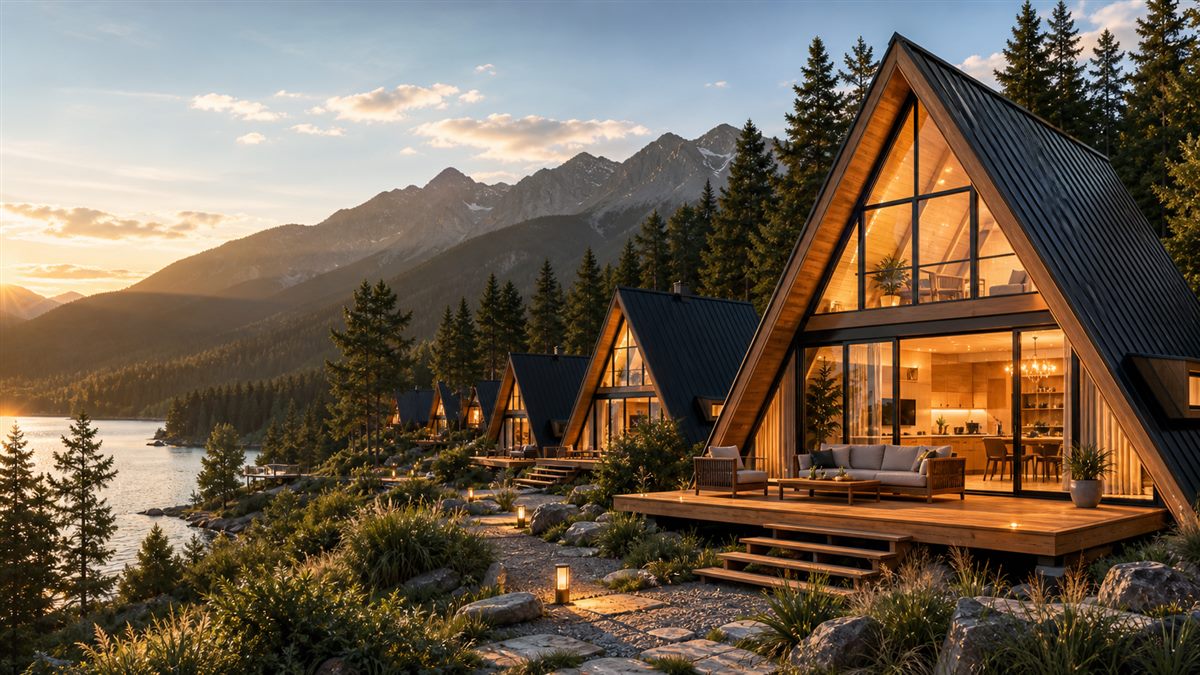
Prefab modular home visual reference
 Scan WeChat for quick project support