
With the rapid growth of eco-tourism, glamping resorts, modular construction, and sustainable living, more investors and homeowners are asking the same question: How much does a prefabricated wooden house cost?
The answer depends on several factors, including size, materials, design complexity, insulation systems, transportation, and installation requirements. Unlike traditional concrete buildings, prefabricated wooden houses offer flexible pricing because they can be customized for different purposes and budgets.
In this article, we will explore the major cost factors, price ranges, and practical budgeting tips for prefabricated wooden houses.
What Is a Prefabricated Wooden House?
A prefabricated wooden house is a building system where major structural components are manufactured in a factory and then transported to the construction site for quick assembly.
These houses are commonly used for:
Eco-resorts and glamping projects
Holiday cabins
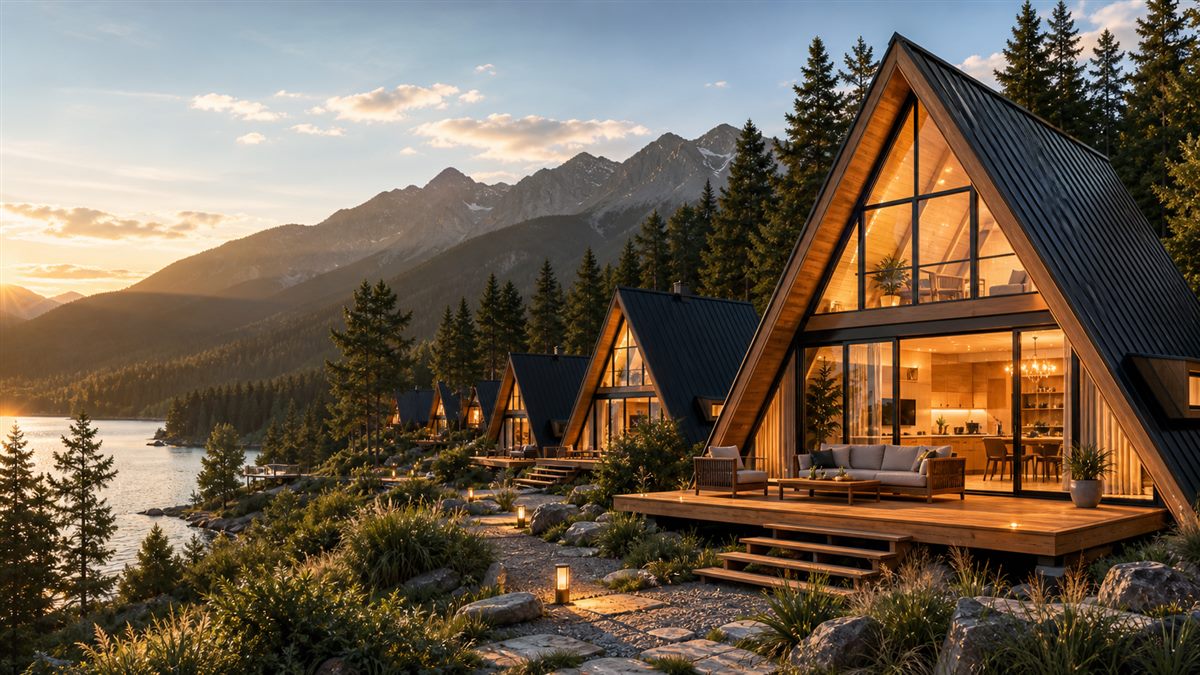
A-frame wooden houses
Modular villas
Garden offices and studios
Scenic tourism accommodations
Because of factory-based production, prefabricated wooden houses are faster to build, more environmentally friendly, and easier to customize.
Average Cost of a Prefabricated Wooden House
The price of a prefabricated wooden house can vary greatly depending on quality and configuration.
General Price Range
TypeEstimated Price Range
Basic Wooden CabinUSD 150 – 350 per m?
Standard Modular Wooden HouseUSD 350 – 700 per m?
Luxury Prefabricated Wooden VillaUSD 700 – 1,500+ per m?
Customized High-end Resort CabinUSD 1,500+ per m?
These figures are approximate and may vary depending on country, materials, and project specifications.
Main Factors That Affect the Cost
1. Building Size
The larger the house, the higher the total cost. However, larger projects often benefit from lower unit costs due to economies of scale.
For example:
Small cabins may cost more per square meter
Medium-sized villas are usually more cost-efficientMulti-unit resort projects reduce manufacturing costs2. Type of Wood Material
Wood species significantly influence pricing.
Common materials include:
Pine wood
Finnish wood
Spruce wood
Cedar wood
Anti-corrosion treated timber
Engineered laminated wood
Premium hardwoods and treated timber increase durability but also raise the overall cost.
3. Design Complexity
Simple modular cabins are more affordable, while customized architectural designs require more engineering and labor.
Examples of higher-cost designs:
A-frame triangle cabins
Large glass wall structures
Double-story wooden villas
Luxury panoramic cabins
4. Insulation and Climate Systems
If the wooden house is intended for year-round use, additional systems may be required:
Thermal insulation
Waterproofing systems
Soundproof walls
HVAC systems
Smart home integration
These upgrades can significantly increase the final price.
5. Interior Decoration and Furniture
The cost changes depending on whether the house is delivered as:
Structural shell only
Semi-finished unit
Fully furnished luxury cabin
Luxury interior packages may include:
Bathrooms
Kitchen systems
Lighting
Furniture
Smart appliances
6. Transportation and Installation
Because prefabricated houses are factory-built, logistics play a major role in pricing.
Costs may include:
Shipping containers
Truck transportation
Crane lifting
On-site assembly
Installation labor
Remote or mountainous locations usually have higher installation costs.
Cost Breakdown Example
Here is a simplified example for a standard 50m? prefabricated wooden cabin:
ItemEstimated Cost
Structural FrameUSD 8,000 – 15,000
Wall & Roof SystemUSD 5,000 – 10,000
Insulation & WaterproofingUSD 2,000 – 5,000
Doors & WindowsUSD 2,000 – 4,000
Electrical & PlumbingUSD 2,000 – 6,000
TransportationUSD 1,000 – 5,000
InstallationUSD 3,000 – 8,000
Total estimated budget: USD 23,000 – 53,000+Why Prefabricated Wooden Houses Are Cost-effectiveFaster Construction
Traditional buildings may take many months to complete, while prefabricated wooden houses can often be installed within weeks.
Lower Labor Costs
Factory production reduces the need for large on-site construction teams.
Eco-friendly Construction
Less construction waste means lower environmental impact and potentially lower long-term maintenance costs.
Flexible Expansion
Modular structures can be expanded later without rebuilding the entire property.
Best Applications for Prefabricated Wooden HousesPrefabricated wooden houses are widely used in:
Eco-tourism Resorts
Ideal for scenic accommodation projects and glamping businesses.
Camping & Glamping Sites
Provide comfortable lodging while maintaining a natural atmosphere.
Vacation Villas
Perfect for lakeside, mountain, and forest holiday homes.
Commercial Spaces
Can be used as cafés, retail stores, exhibition halls, or reception centers.
Backyard Studios
Suitable for home offices, guest houses, or leisure cabins.
How to Reduce Your Budget
Choose Standardized Designs
Standard modular designs are more affordable than fully customized buildings.
Use Suitable Materials
Not every project requires premium hardwood or luxury finishes.
Plan the Layout Efficiently
A compact and practical design can reduce unnecessary construction costs.
Work with Experienced Manufacturers
Professional suppliers can optimize production and installation efficiency, helping reduce hidden costs.
Future Trends in Prefabricated Wooden Houses
The global modular housing market continues to grow due to:
Sustainable construction demand
Eco-tourism expansion
Faster building requirements
Smart modular technology
Green building policies
Future prefabricated wooden houses will become:
More energy-efficient
More intelligent
Easier to transport
More customizable
More luxurious
Conclusion
So, how much does a prefabricated wooden house cost? The answer depends on your project goals, materials, customization level, and installation requirements.
Whether you are building a glamping resort, eco-tourism cabin, vacation villa, or modular commercial space, prefabricated wooden houses offer a modern, flexible, and environmentally friendly solution.
By choosing the right design and working with a reliable manufacturer, investors can achieve both beautiful architecture and strong long-term returns.
Prefab modular home visual reference
 Scan WeChat for quick project support