
As the demand for sustainable, efficient, and cost-effective housing continues to grow, prefabricated houses have become an increasingly popular choice worldwide. Whether for residential homes, vacation cabins, eco-resorts, workforce accommodations, or commercial projects, prefabricated buildings offer significant advantages over traditional construction methods.
One of the most common questions buyers ask is: How much does a prefabricated house cost? The answer depends on several factors, including size, materials, design, customization, and location. In this article, we will explore the key elements that influence prefabricated house pricing and help you understand what to expect when planning your investment.
What Is a Prefabricated House?
A prefabricated house, often called a prefab house, is a building manufactured partially or entirely in a factory before being transported to the construction site for assembly. Unlike conventional construction, prefab homes utilize advanced manufacturing techniques to improve efficiency, quality control, and construction speed.
Common types of prefabricated houses include:
Modular homes
Panelized houses
Prefabricated wooden houses
Steel-frame prefab buildings
Container homes
Luxury modular villas
These structures can be customized to meet various residential and commercial requirements.
Average Cost of a Prefabricated House
The price of a prefabricated house can vary significantly depending on specifications and project requirements.
Generally, the average cost ranges from:
Basic prefab house: USD $150–$300 per square meter
Standard modular home: USD $300–$800 per square meter
High-end prefab villa: USD $800–$2,000+ per square meter
For example:
A 50㎡ prefab house may cost between $15,000 and $40,000.
A 100㎡ modular home may cost between $30,000 and $80,000.
A luxury 200㎡ prefab villa may exceed $200,000 depending on finishes and customization.
These figures are for reference only and may vary by country and project scope.
Factors That Affect Prefabricated House Costs
1. Building Size
The larger the building, the higher the total investment. However, larger projects often benefit from economies of scale, resulting in a lower cost per square meter.
A compact vacation cabin will generally have a higher unit cost than a larger residential project due to fixed manufacturing and transportation expenses.
2. Construction Materials
Material selection is one of the biggest cost factors.
Common options include:
Light steel structures
Timber structures
Glulam wood systems
Sandwich panel systems
Hybrid steel and wood structures
Premium materials offer better durability, insulation, and aesthetics but increase overall costs.
3. Design Complexity
Simple rectangular layouts are more economical to manufacture and install.
Features that may increase costs include:
Custom architectural designs
Large glass walls
Multi-story structures
Luxury interior finishes
Smart home systems
Unique roof configurations
The more customized the project, the higher the overall budget.
4. Interior Finishes
A prefab house can be delivered in different completion levels:
Structural shell only
Weatherproof exterior package
Semi-finished interior
Fully furnished turnkey solution
Luxury flooring, premium kitchens, designer bathrooms, and custom cabinetry can substantially increase project costs.
5. Transportation and Installation
Because prefab buildings are manufactured off-site, transportation plays an important role in pricing.
Factors include:
Distance from factory to project site
Road accessibility
Crane requirements
Installation labor
Local regulations
Projects in remote areas may incur higher logistics costs.
Why Prefabricated Houses Are Cost-Effective
Although initial costs vary, prefabricated houses often provide excellent long-term value.
Faster Construction
Factory production and on-site assembly significantly reduce project timelines.
Many prefab homes can be completed in weeks rather than months, reducing labor expenses and accelerating return on investment.
Reduced Material Waste
Precision manufacturing minimizes waste and improves resource utilization, making prefab construction more environmentally friendly and economical.
Better Quality Control
Factory-controlled production environments ensure consistent quality and reduce construction errors often associated with traditional building methods.
Energy Efficiency
Modern prefab houses are designed with advanced insulation systems that lower heating and cooling costs over time.
This translates into significant savings for homeowners and commercial operators.
Prefabricated Houses for Tourism and Hospitality Projects
The tourism industry has become one of the fastest-growing markets for prefabricated buildings.
Many developers use modular houses for:
Eco-resorts
Glamping sites
Forest cabins
Boutique hotels
Vacation villages
Wellness retreats
Prefab structures allow investors to expand accommodation capacity quickly while maintaining attractive architectural designs.
How to Choose the Right Prefabricated House Supplier
Selecting an experienced manufacturer is essential for project success.
When evaluating suppliers, consider:
Manufacturing capacity
Engineering expertise
International export experience
Design capabilities
Installation support
Warranty and after-sales service
Previous project portfolio
A reliable supplier can help optimize costs while ensuring quality and compliance with local building requirements.
Conclusion
So, how much does a prefabricated house cost? The answer depends on the size, materials, customization level, transportation requirements, and intended use of the building. While prices can range from a few hundred dollars to several thousand dollars per square meter, prefabricated houses continue to offer an efficient, sustainable, and cost-effective alternative to traditional construction.
Whether you are planning a private residence, modular villa, tourism resort, glamping project, or commercial development, investing in a high-quality prefabricated house can provide long-term value, faster construction, and excellent returns. Working with a professional prefab house manufacturer ensures that your project is delivered on time, within budget, and built to the highest standards.
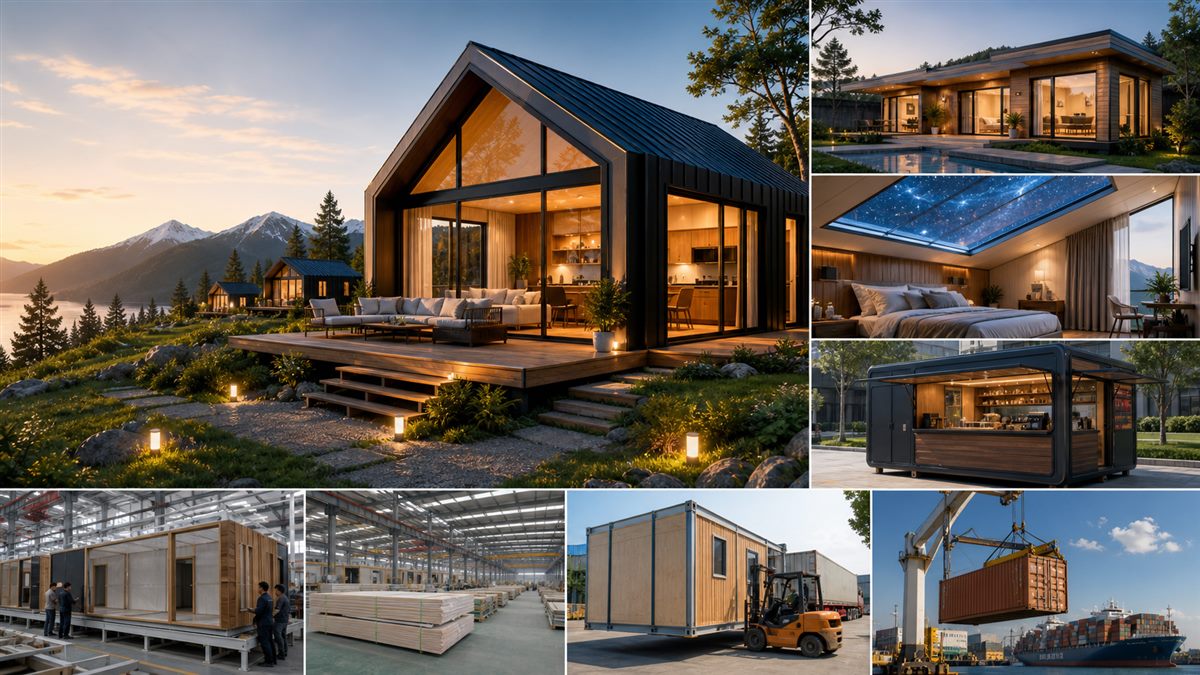
Prefab modular home visual reference
 Scan WeChat for quick project support