
As the demand for eco-friendly, energy-efficient, and fast-to-build structures continues to grow, the Timber House System has become one of the most innovative solutions in the modern construction industry. Widely used for residential homes, vacation cabins, glamping resorts, commercial buildings, and tourism projects, timber house systems combine advanced engineering with the natural beauty of wood to create durable, comfortable, and sustainable living spaces.
This article explores the features, advantages, applications, and future trends of timber house systems and explains why they are becoming a preferred choice for developers and homeowners around the world.
What Is a Timber House System?
A Timber House System is a complete building solution that integrates structural design, engineered timber components, insulation, roofing, wall systems, flooring, windows, doors, and installation methods into one coordinated construction system.
Unlike traditional on-site construction, most components are manufactured in a factory with precision equipment before being transported to the project site for efficient assembly. This approach improves construction quality while significantly reducing building time.
Key Components of a Timber House System
A modern timber house system generally includes:
Structural timber frame
Wall panel system
Roof system
Floor structure
Thermal insulation
Waterproof and moisture barriers
Doors and windows
Electrical and plumbing integration
Interior and exterior finishing materials
These components work together to provide strength, energy efficiency, and long-term durability.
Advantages of a Timber House System
Fast Construction
Factory-prefabricated components allow buildings to be assembled much faster than traditional construction methods. Depending on the project size, installation can often be completed within a few weeks.
Sustainable Building Material
Timber is a renewable resource that stores carbon throughout its service life. When sourced from responsibly managed forests, timber contributes to environmentally responsible construction and supports sustainable development.
Excellent Thermal Performance
Wood naturally provides excellent insulation. Combined with modern insulation materials, a timber house system helps maintain comfortable indoor temperatures while reducing heating and cooling costs.
Flexible Design
Timber house systems can be customized to meet different architectural styles, including:
Modern minimalist homes
Scandinavian cabins
Luxury villas
Mountain lodges
Glamping accommodations
Resort villas
Garden studios
Commercial buildings
The flexibility of timber construction allows architects to create unique spaces that fit various landscapes and client requirements.
High Structural Performance
Modern engineered timber products offer outstanding strength while remaining lightweight. Properly designed timber structures can perform well under wind loads and seismic conditions, making them suitable for many regions around the world.
Common Applications
Residential Housing
Families increasingly choose timber house systems because of their comfort, energy efficiency, and natural appearance.
Tourism and Hospitality
Hotels, resorts, eco-lodges, and glamping sites use timber houses to create immersive experiences that blend with natural surroundings.
Vacation Homes
Timber cabins are ideal for lakeside, mountain, forest, and coastal retreats where visitors seek a relaxing atmosphere.
Commercial Projects
Restaurants, cafés, visitor centers, sales offices, and retail pavilions benefit from the warmth and visual appeal of timber construction.
Educational and Community Facilities
Schools, activity centers, exhibition halls, and recreational buildings also adopt timber systems due to their rapid installation and environmental benefits.
Why Prefabrication Improves Timber House Systems
Modern timber house systems rely heavily on prefabrication technology.
Factory manufacturing offers several advantages:
Higher precision
Consistent quality control
Reduced construction waste
Lower labor costs
Faster project completion
Improved safety during installation
Because much of the work is completed before arriving at the site, projects experience fewer weather-related delays and less disruption.
Design Considerations
A successful timber house system requires careful planning in several areas:
Structural Engineering
Professional engineering ensures the building can safely withstand environmental loads while meeting local building codes.
Moisture Protection
Proper waterproof membranes, drainage systems, and ventilation help protect timber from excessive moisture and extend the building’s lifespan.
Energy Efficiency
High-performance insulation, energy-efficient windows, and airtight construction improve indoor comfort while lowering operating costs.
Aesthetic Design
Timber houses can incorporate large glass walls, open floor plans, natural lighting, and outdoor living spaces to create modern and attractive environments.
Maintenance Tips
Although timber house systems are highly durable, regular maintenance ensures long-term performance.
Recommended maintenance includes:
Inspect exterior finishes annually.
Clean roofs and drainage systems.
Reapply protective coatings when needed.
Check structural connections.
Monitor moisture levels.
Maintain doors, windows, and sealants.
Service electrical and mechanical systems regularly.
With proper maintenance, a timber house can remain in excellent condition for decades.
Future Trends
The global timber construction industry continues to evolve with new technologies and sustainable practices.
Emerging trends include:
Modular construction systems
Smart home integration
Net-zero energy buildings
Cross-laminated timber (CLT) technology
Green building certification
Digital design using Building Information Modeling (BIM)
These innovations are making timber house systems more efficient, environmentally friendly, and adaptable to future construction needs.
Conclusion
A Timber House System represents the perfect combination of sustainability, engineering, and modern architectural design. With fast installation, energy efficiency, flexible customization, and long-lasting durability, it offers an ideal solution for residential, tourism, commercial, and public projects.
As the construction industry continues to prioritize environmentally responsible building methods, timber house systems are expected to play an increasingly important role in shaping the future of sustainable architecture worldwide. Whether for a luxury resort, a family home, or a modular commercial space, a well-designed timber house system delivers exceptional value, comfort, and performance for years to come.
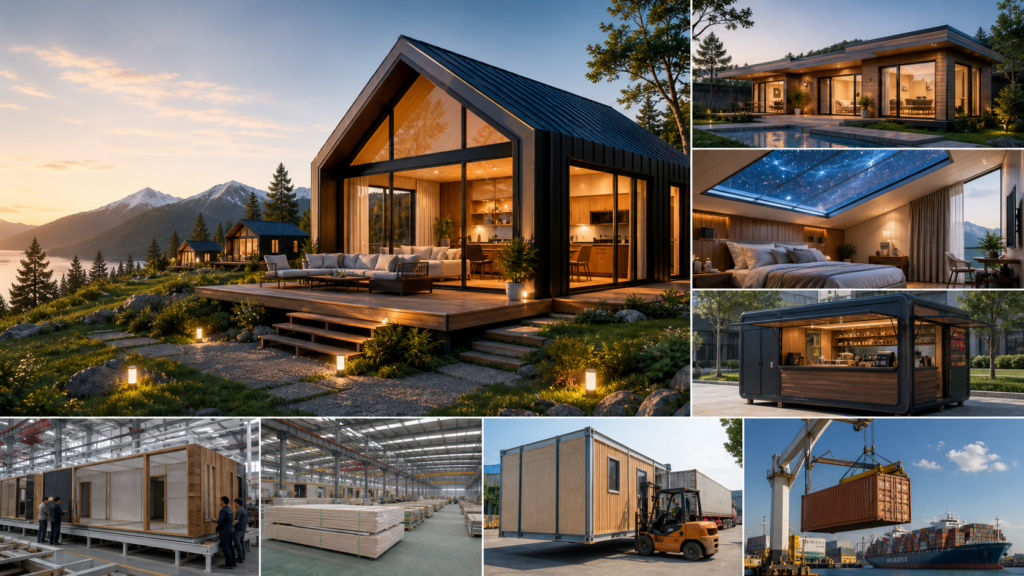
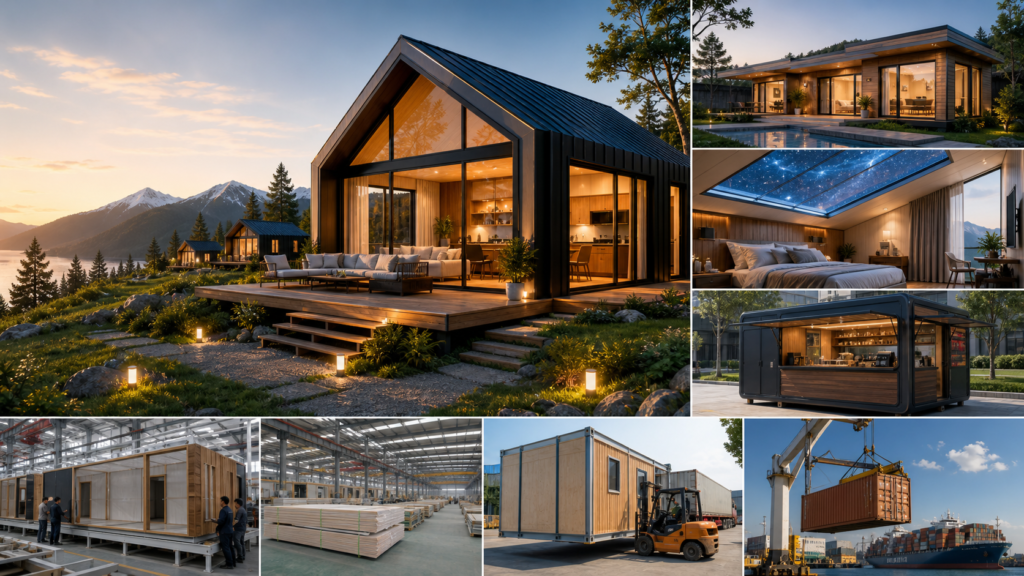
Prefab modular home visual reference
 Scan WeChat for quick project support