
In recent years, modular prefabricated villa housing has rapidly emerged as a leading solution in modern construction. Combining architectural aesthetics with advanced industrial manufacturing, this building method is reshaping how villas and residential properties are designed, produced, and delivered. With growing demand for faster construction, lower costs, and eco-friendly living, prefabricated villa housing is becoming a preferred choice for homeowners, developers, and resort operators worldwide.
What Is Modular Prefabricated Villa Housing?
Modular prefabricated villa housing refers to residential buildings—typically villa-style homes—that are manufactured in sections or modules in a factory environment and then transported to the site for assembly. Unlike traditional construction methods that require extensive on-site labor and long building cycles, prefabricated villas are produced with standardized processes, ensuring higher precision and consistent quality.
These villas can include living rooms, bedrooms, kitchens, bathrooms, and even luxury features such as panoramic glass walls, terraces, and smart home systems. Once delivered to the site, the modules are quickly assembled into a complete structure.
Key Advantages of Prefabricated Villa Housing
One of the most significant advantages of modular villa housing is construction efficiency. Since most components are built in controlled factory conditions, weather delays and on-site disruptions are minimized. This significantly shortens the overall project timeline.
Another major benefit is cost control. Factory production allows for optimized material usage, reduced waste, and lower labor costs. As a result, investors and developers can achieve better budget predictability compared to traditional construction methods.
In addition, prefabricated villas offer excellent environmental performance. Many systems are designed with energy efficiency in mind, incorporating insulation materials, solar energy systems, and sustainable building practices that reduce carbon emissions.
Design Flexibility and Customization
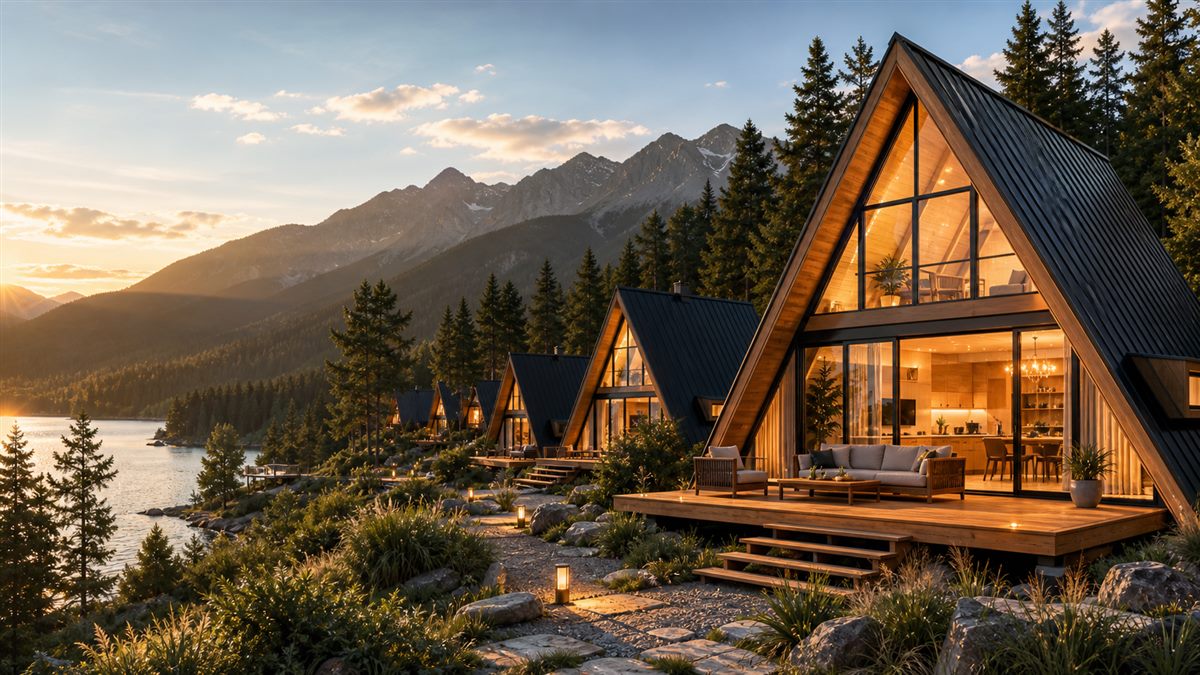
Contrary to the misconception that prefabricated housing lacks creativity, modern modular villa systems offer extensive design flexibility. Clients can choose from a wide range of architectural styles, including modern minimalist villas, Scandinavian-style homes, resort cabins, or luxury countryside estates.
Layouts can also be customized according to land conditions and personal preferences. Whether building a single-family villa, a vacation home, or a resort cluster, modular systems allow scalable and adaptable solutions.
Applications in Real Estate and Tourism
Modular prefabricated villa housing is widely used in various industries. In real estate development, it provides fast and scalable housing solutions for residential communities. In tourism and hospitality, it is especially popular for eco-resorts, mountain lodges, seaside villas, and glamping accommodations.
Its quick installation and attractive design make it ideal for remote or scenic locations where traditional construction would be difficult or costly.
The Future of Villa Construction
As technology continues to advance, prefabricated villa housing is expected to become even more intelligent and sustainable. Integration with smart home systems, green energy solutions, and advanced building materials will further enhance comfort and efficiency.
In the future, modular villa housing is likely to play a key role in solving housing shortages, improving construction productivity, and supporting sustainable urban development.
Conclusion
Modular prefabricated villa housing represents a significant shift in the construction industry. By combining speed, quality, sustainability, and design freedom, it offers a compelling alternative to traditional villa construction. Whether for personal living, investment, or tourism development, it stands as a forward-looking solution for modern architecture.
Prefab modular home visual reference
 Scan WeChat for quick project support