
–
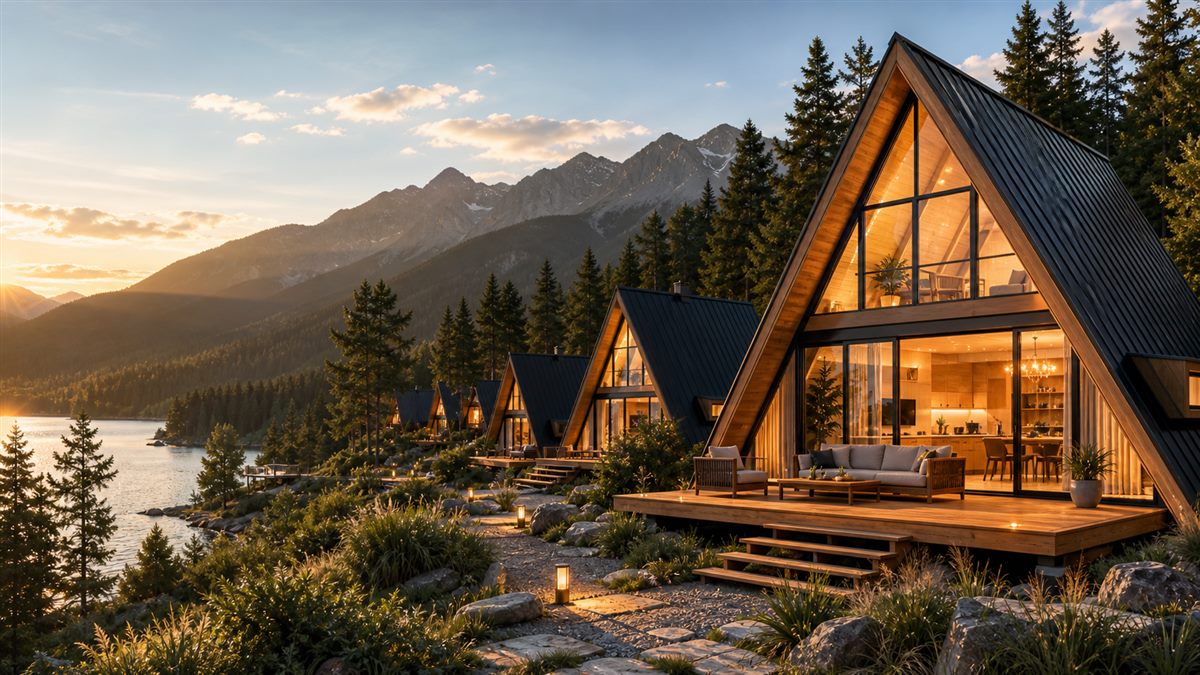
As eco-tourism continues to grow worldwide, scenic area wooden cabins have become a key architectural feature in parks, mountain resorts, forest attractions, and rural tourism destinations. These structures blend naturally into the environment while providing comfortable accommodation and functional tourism facilities. However, the success of such projects depends on three core elements: design, construction, and long-term maintenance.
This article provides a comprehensive overview of how to plan, build, and maintain wooden cabins in scenic areas to ensure durability, safety, and visual harmony with nature.
1. Design Principles for Scenic Area Wooden Cabins
The design stage is the foundation of any successful wooden cabin project in a scenic area. It must balance aesthetics, functionality, and environmental compatibility.
1.1 Harmony with Natural Environment
Wooden cabins should be designed to integrate seamlessly into their surroundings. This includes:
Using natural wood textures and earthy colors
Adopting low-profile architectural forms
Preserving surrounding vegetation and landscapes
Minimizing environmental disruption during planning
The goal is to create buildings that feel like part of nature rather than foreign structures.
1.2 Functional Layout Design
Scenic cabins often serve tourists, so internal layout must be practical:
Efficient space utilization for accommodation or reception
Clear separation of living, service, and storage areas
Comfortable ventilation and lighting design
Flexible layouts for different tourist capacities
A well-planned layout enhances visitor experience and operational efficiency.
1.3 Climate-Sensitive Design
Different scenic regions require different design strategies:
Mountain areas: wind resistance and insulation
Forest parks: moisture and insect protection
Coastal scenic zones: anti-corrosion and salt resistance
Cold regions: thermal insulation and snow load resistance
Designing according to local climate ensures long-term stability.
2. Construction Process of Wooden Cabins in Scenic Areas
High-quality construction is essential to turn design concepts into durable structures.
2.1 Foundation and Site Preparation
A stable foundation ensures the safety of wooden cabins:
Site leveling and soil testing
Proper drainage system design
Elevated foundations in humid or flood-prone areas
Minimal disturbance to natural terrain
Good groundwork reduces future structural risks.
2.2 Prefabrication and Assembly
Many modern scenic cabins use prefabricated construction methods:
Factory-produced wooden components
Standardized structural modules
On-site quick assembly
Reduced environmental impact and construction time
This approach is ideal for remote scenic locations.
2.3 Structural Safety and Materials
Construction must ensure compliance with safety standards:
High-strength engineered timber or treated wood
Reinforced joints and connectors
Fire-resistant treatment materials
Weatherproof coatings for outdoor exposure
These elements ensure long-term structural reliability.
3. Maintenance Strategies for Scenic Area Wooden Cabins
Maintenance is crucial to preserve both appearance and functionality, especially in outdoor natural environments.
3.1 Surface Protection and Repainting
Wood surfaces are exposed to sun, rain, and humidity:
Apply protective coatings every 2–3 years
Use UV-resistant and waterproof finishes
Repair peeling or cracked paint promptly
Maintain natural wood aesthetics
Proper surface care extends service life significantly.
3.2 Moisture and Weather Control
Moisture is a major factor affecting wooden structures:
Ensure proper roof drainage systems
Maintain ventilation inside cabins
Prevent water accumulation around foundations
Inspect sealing joints regularly
Controlling moisture helps prevent decay and deformation.
3.3 Pest and Mold Prevention
Natural environments often increase pest risks:
Regular termite inspections
Anti-insect wood treatments
Mold prevention through ventilation
Immediate treatment of affected areas
Early intervention prevents serious structural damage.
3.4 Structural Inspection and Repair
Routine inspections help maintain safety:
Check roof stability and waterproofing
Inspect beams, columns, and joints
Reinforce weakened structural components
Replace damaged timber when necessary
A scheduled inspection system is essential for long-term operation.
4. Challenges in Scenic Area Wooden Cabin Projects
Despite their popularity, these projects face several challenges:
4.1 Environmental Sensitivity
Construction must avoid damaging ecosystems and natural landscapes.
4.2 Transportation Limitations
Remote scenic areas may face logistical challenges in delivering materials.
4.3 High Maintenance Requirements
Outdoor exposure requires continuous upkeep compared to urban buildings.
5. Best Practices for Long-Term Success
To ensure sustainable and profitable scenic wooden cabin projects, developers should follow these best practices:
Use eco-friendly and certified building materials
Adopt prefabricated construction for efficiency
Design according to local environmental conditions
Establish a long-term maintenance schedule
Work with experienced wooden structure manufacturers
Combining thoughtful design, precise construction, and regular maintenance ensures both durability and visitor satisfaction.
6. Conclusion
Scenic area wooden cabin design, construction, and maintenance form a complete system that determines the success of eco-tourism infrastructure. A well-designed cabin enhances the natural landscape, high-quality construction ensures safety and durability, and consistent maintenance preserves long-term value.
By integrating these three elements, scenic destinations can create sustainable, attractive, and long-lasting wooden architecture that enriches visitor experiences while respecting the natural environment.
Prefab modular home visual reference
 Scan WeChat for quick project support