
In recent years, prefabricated houses have become increasingly popular in the global construction market. From eco-resorts and glamping camps to modular hotels and residential projects, more investors are choosing prefabricated buildings because of their fast installation, flexible design, and lower construction costs.
One of the most common questions buyers ask is:
“How much does a prefabricated house cost per square meter?”
The answer depends on several factors, including structure type, materials, interior configuration, transportation, and installation requirements.
In this article, we will explain the average cost of prefabricated houses, what affects pricing, and how to choose the right modular housing solution for your project.
What Is a Prefabricated House?
A prefabricated house, also known as a prefab house or modular house, is a building that is manufactured in a factory and assembled on-site.
Instead of traditional construction methods, prefab homes use:
Factory-made wall panels
Modular structural systems
Pre-installed windows and doors
Integrated electrical and plumbing systems
This construction method significantly reduces on-site labor and installation time.
Common prefab house types include:
Modular wooden houses
Light steel prefab houses
Triangle cabins
Glamping cabins
Portable modular homes
Resort wooden villas
Prefab houses are widely used in:
Tourism resorts
Eco parks
Luxury camping sites
Farm stays
Hotels and homestays
Residential housing projects
How Much Does a Prefabricated House Cost Per Square Meter?
The average cost of a prefabricated house generally ranges from:
USD 200 – USD 900 per square meter
The final price depends on the project requirements and building specifications.
For example:
Basic prefab houses are more affordable
Luxury modular villas cost more
Fully furnished smart cabins have higher pricingDifferent countries and markets may also have different pricing standards.
What Factors Affect Prefabricated House Pricing?
Many buyers think prefab house prices are fixed, but several important factors influence the total cost.
1. Structural System
Different structures have different costs.
Common options include:
Light steel structure
Timber structure
Steel frame system
Modular container structure
Light steel and modular systems are currently the most popular because they are durable and easy to install.
2. Building Size
Larger prefab houses usually have lower average costs per square meter.
Smaller custom cabins often cost more because:
Design costs are higher
Material waste increases
Production efficiency decreases
Therefore, project scale directly impacts pricing.
3. Material Selection
The materials used in prefab houses strongly affect overall cost.
Examples include:
Insulated wall panels
Aluminum alloy windows
Tempered glass
Wooden decorative panels
Waterproof roofing systems
High-end materials improve durability and appearance but increase investment costs.
4. Interior Decoration
Some prefab houses only include the structural shell.
Others may include:
Bathrooms
Kitchens
Flooring
Furniture
Lighting systems
Smart home equipment
Luxury interior finishes can significantly increase the total project budget.
5. Transportation and Installation
Transportation costs depend on:
Shipping distance
Container loading method
Project location
Installation difficulty
Remote mountain areas, islands, and forest projects may require higher installation costs.
Why Are Prefabricated Houses Becoming More Popular?
Prefab houses are not only about lower construction costs. They also offer many modern advantages.
Faster Construction Time
Traditional buildings may take several months or even years to complete.
Prefab houses can often be installed within days or weeks.
For tourism projects, faster opening means faster return on investment.
Eco-Friendly Construction
Modern prefab houses produce less construction waste and consume fewer resources.
This makes them more suitable for:
Eco tourism projects
Sustainable resorts
Green building developments
Flexible Design Options
Professional prefab house manufacturers can customize:
Exterior appearance
Interior layout
Building size
Roofing style
Smart systems
This flexibility helps investors create unique projects.
Better for Tourism and Hospitality Projects
Today’s consumers care more about:
Experience
Design aesthetics
Nature connection
Instagram-worthy spaces
Prefab wooden cabins and modular homes perfectly match these market trends.
Where Are Prefabricated Houses Commonly Used?
Prefab houses are widely used in many industries.
Glamping Resorts
Luxury camping projects often use:
Triangle cabins
Modular wooden houses
Glass cabins
to create premium outdoor experiences.
Eco Resorts
Nature resorts increasingly prefer modular buildings because they blend well with the environment.
Homestays and Boutique Hotels
Modern travelers prefer unique accommodations instead of traditional hotels.
Prefab houses help create memorable guest experiences.
Farm and Countryside Projects
Prefab cabins are ideal for:
Farm stays
Tea houses
Visitor centers
Countryside tourism projects
Overseas Modular Housing Projects
Prefab houses are also popular in:
Europe
Australia
Southeast Asia
Middle East
North America
because of their fast installation and flexible shipping systems.
How to Choose a Reliable Prefabricated House Supplier?
Choosing the right supplier is extremely important for project success.
Look for Real Factory Production
Professional manufacturers usually have:
Production workshops
Steel structure processing lines
Modular assembly systems
Professional installation teams
instead of acting only as trading companies.
Check Project Experience
Experienced suppliers often have completed projects in:
Resorts
Campsites
Hotels
Overseas export markets
Real project cases show actual production capability.
Evaluate Customization Ability
A strong prefab house supplier should support:
Custom layouts
Architectural design
Material upgrades
Smart system integration
to help clients build competitive projects.
Future Trends of Prefabricated Houses
As sustainable architecture and tourism markets continue growing, prefab housing demand is expected to rise.
Future trends will focus on:
Modular construction
Smart living systems
Eco-friendly materials
Fast installation
Luxury glamping design
Prefab houses are becoming a major part of the future construction industry.
Conclusion
So, how much does a prefabricated house cost per square meter?
The answer depends on your project size, materials, design requirements, and installation conditions. In general, prefab house prices range from affordable modular units to luxury customized resort villas.
Compared with traditional construction, prefab houses offer:
Faster installation
Lower labor costs
Flexible design
Eco-friendly solutions
Better tourism experience
For investors in resorts, glamping projects, eco parks, and hospitality businesses, prefabricated houses are becoming one of the most efficient and profitable building solutions in today’s market.
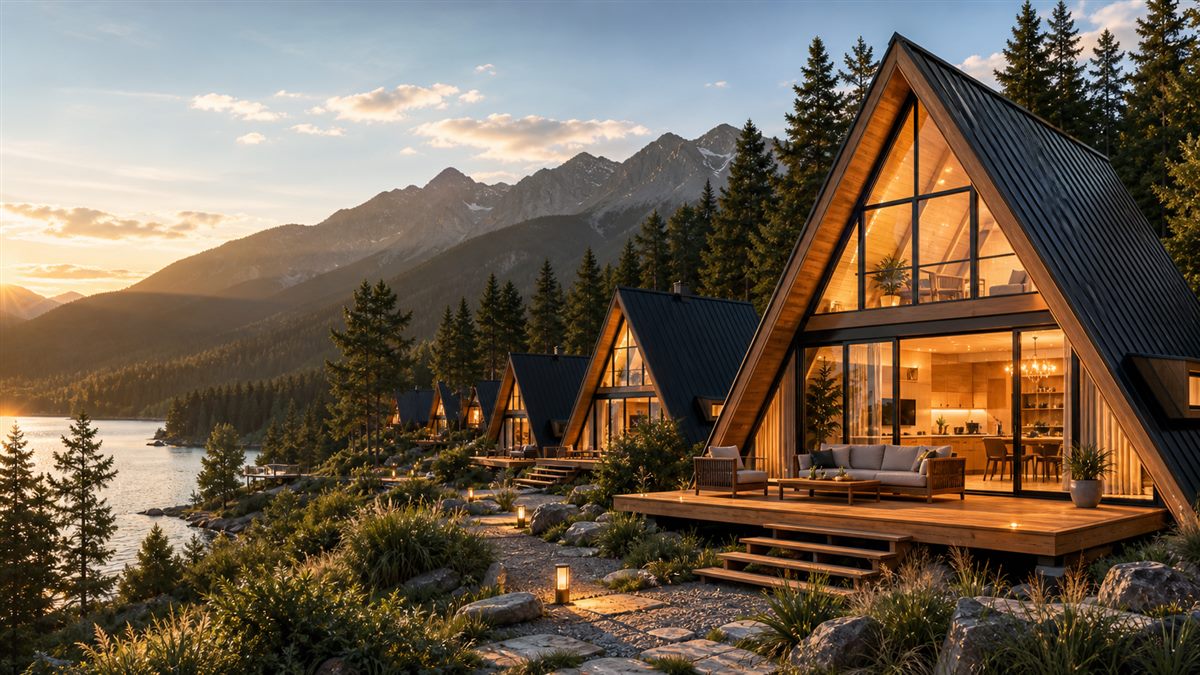
Prefab modular home visual reference
 Scan WeChat for quick project support